The short version
Malaga is compact, sunny, walkable and far more cultured than people expect from a city with beaches this convenient. The mistake is trying to treat it as either a museum city or a beach town. It is both, plus food, port, gardens, street art and a historic centre that behaves like a maze with excellent coffee.
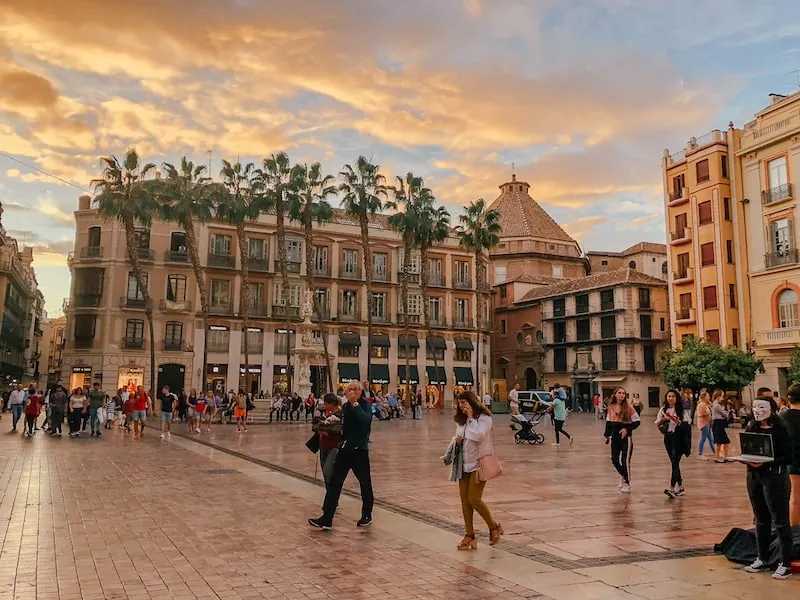
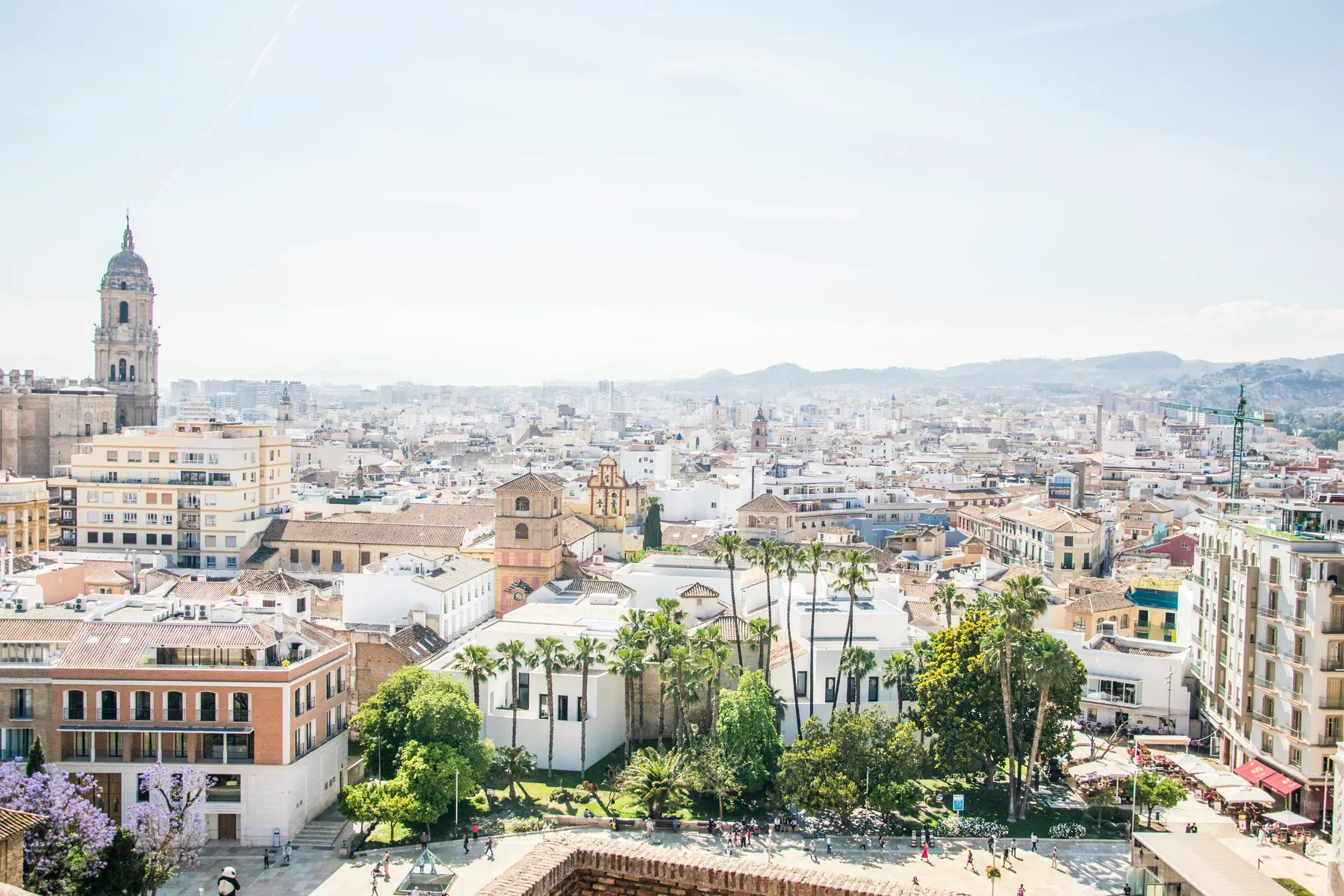
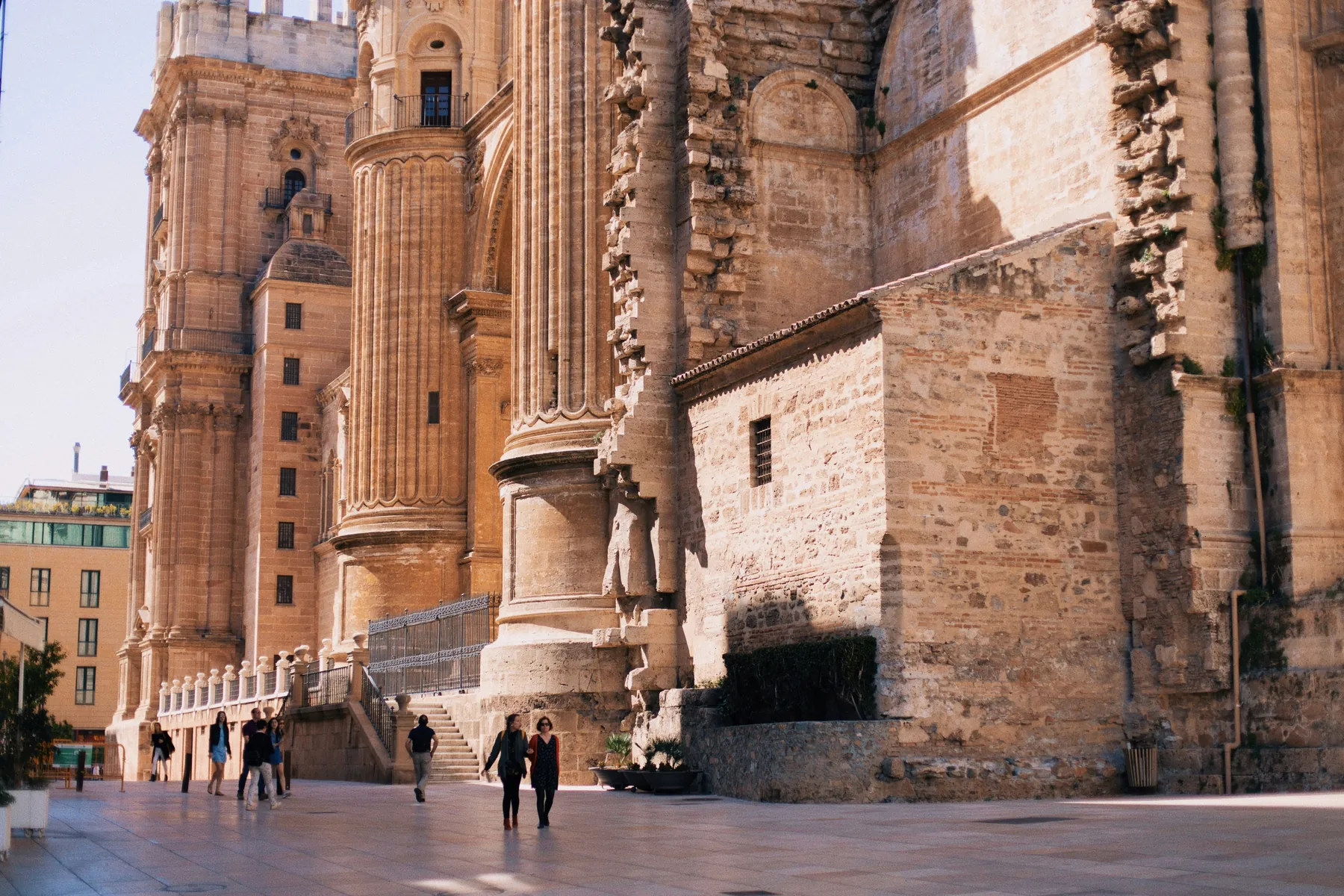
If this is your first visit, start in the old town. Walk Calle Larios, Plaza de la Constitucion, the Cathedral area, Calle Alcazabilla, the Roman Theatre, the Alcazaba and Plaza de la Merced. That little loop gives you the city in miniature: commerce, faith, empire, Moorish stone, Picasso, tapas and people pretending they are only having one more drink.
- Best first walk: Calle Larios to Plaza de la Merced via the Cathedral and Alcazabilla.
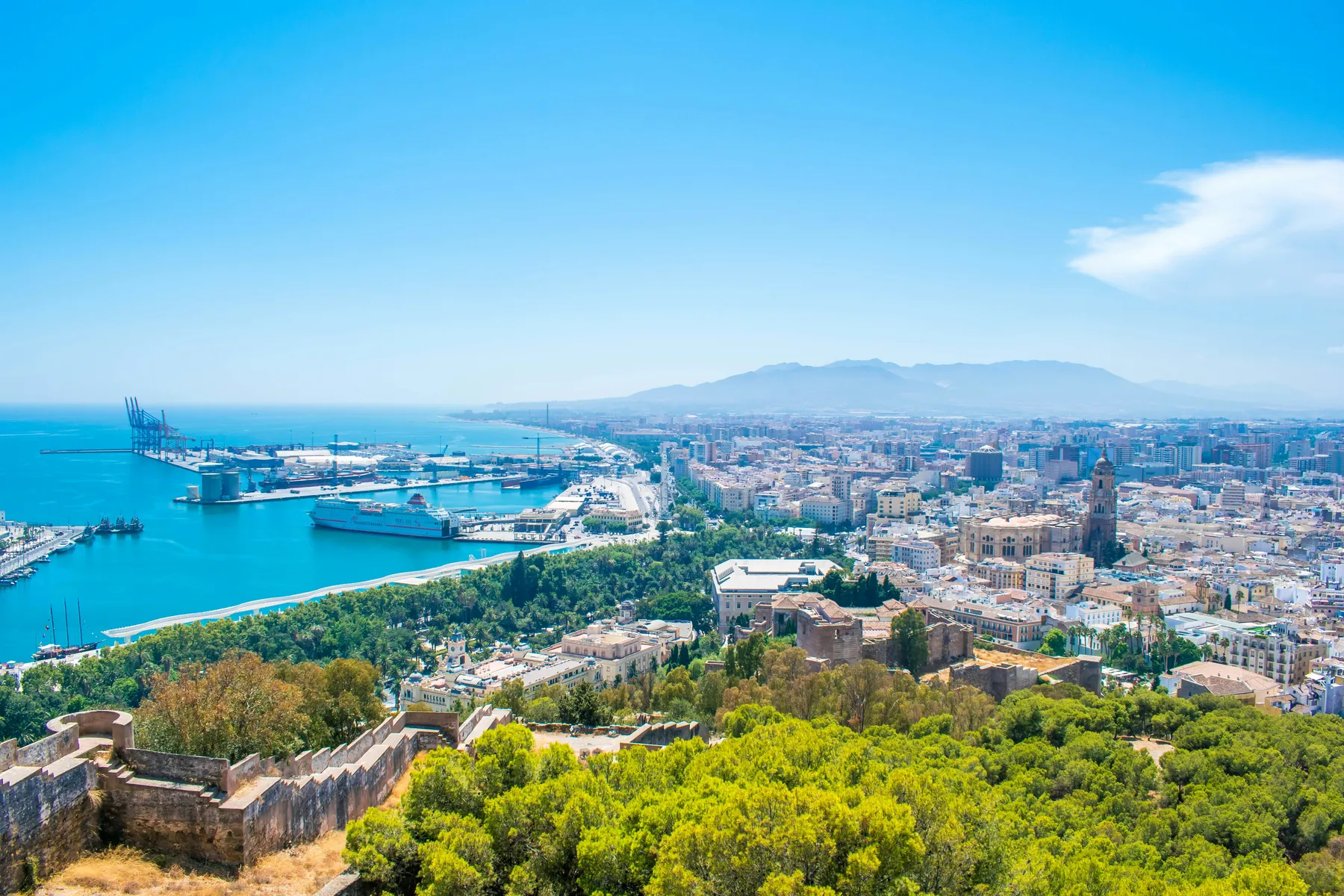
- Best view: Gibralfaro if your legs are feeling diplomatic.
- Best quick food mood: Atarazanas Market, then tapas near the centre.
- Best slow afternoon: Muelle Uno, La Malagueta or Pedregalejo.
- Best backup plan: museums. Malaga has enough of them to keep rain emotionally unemployed.
How to think about Malaga
Use the old town as your base camp, not your entire expedition. The centre is where Malaga introduces itself, but the coastline tells you how locals breathe. The museums show the ambition, the beaches show the rhythm, the markets show the appetite, and Soho shows the city is not trapped in postcard mode.
Do not over-plan every hour. Malaga rewards movement, but it also rewards pausing. If your itinerary has no time for a coffee, a sea view or a completely unnecessary second tapa, it has failed its driving test.
The easiest first day
Begin early in the historic centre, before the streets fill with the full international orchestra of rolling suitcases. Visit the Cathedral area, then move to Alcazabilla for the Roman Theatre and the Alcazaba. After that, choose your energy level: Picasso Museum and Plaza de la Merced for culture, Gibralfaro for views, or Muelle Uno for a sea-level recovery walk.
At lunch, keep it simple. Eat something local: fried fish, gazpachuelo, ensalada malaguena, ajoblanco, espetos by the coast or whatever the market seems to be gently shouting at you. Malaga is not a city where hunger should be handled with a packet of emergency biscuits.
Choose your Malaga before Malaga chooses for you
The city becomes much easier when you decide what kind of day you are having. A first visit needs the historic centre and Alcazabilla. A hot day needs an early start, shade at lunch and the sea later. A museum day works best with one major collection and one smaller surprise, because cultural indigestion is still indigestion.
Use the table below as a starting point, then leave a little room for improvisation. Malaga is compact enough to change your mind without forming a committee.
| Your priority | Start with | Add next | Do not overbook |
|---|---|---|---|
| The essential city | Historic centre | Alcazaba and Roman Theatre | More than two major sights |
| Art and museums | Picasso or Museo de Malaga | Carmen Thyssen or Pompidou | Three large museums in a row |
| Food and atmosphere | Atarazanas area | Old-town tapas or Pedregalejo | A rigid restaurant timetable |
| Sea and slow travel | Muelle Uno | Malagueta or eastern coast | Cross-city beach hopping |
| Views and photography | Gibralfaro | Alcazabilla at street level | The steepest climb at midday |
Your first ninety minutes
Arrive, orient yourself around Calle Larios and Plaza de la Constitucion, then walk towards the Cathedral and Calle Alcazabilla. This short line gives you reliable landmarks and places the Roman Theatre, Alcazaba, Picasso Museum and Plaza de la Merced within an easy mental map.
Buy timed tickets only for the attractions that genuinely need them. Keep the rest flexible, carry water, and save the coast for the part of the day when your brain starts negotiating with your feet. That is not poor planning. It is advanced diplomacy.
- Stay in the centre if this is a very short trip; branch out east when you have a second day.
- Walk the old town and use public transport for the airport, western beaches or longer cross-city journeys.
- Check official opening information on the day, especially on Mondays, Sundays and public holidays.
- Choose one memorable meal rather than gambling every hunger emergency on the nearest laminated menu.
Quick answers
How many days do first-time visitors need in Malaga?
Two full days cover the historic centre, a major museum, the Alcazaba area, the port and some coast. A third day makes the pace calmer and leaves room for eastern neighbourhoods or a day trip.
Is central Malaga easy to explore without a car?
Yes. The historic centre is compact and largely pedestrian. Trains, buses and taxis cover the airport and outer districts; a car is usually more responsibility than freedom inside the old town.