Things to doFor the wider picture, open the Things to do in Malaga.
Why they matter
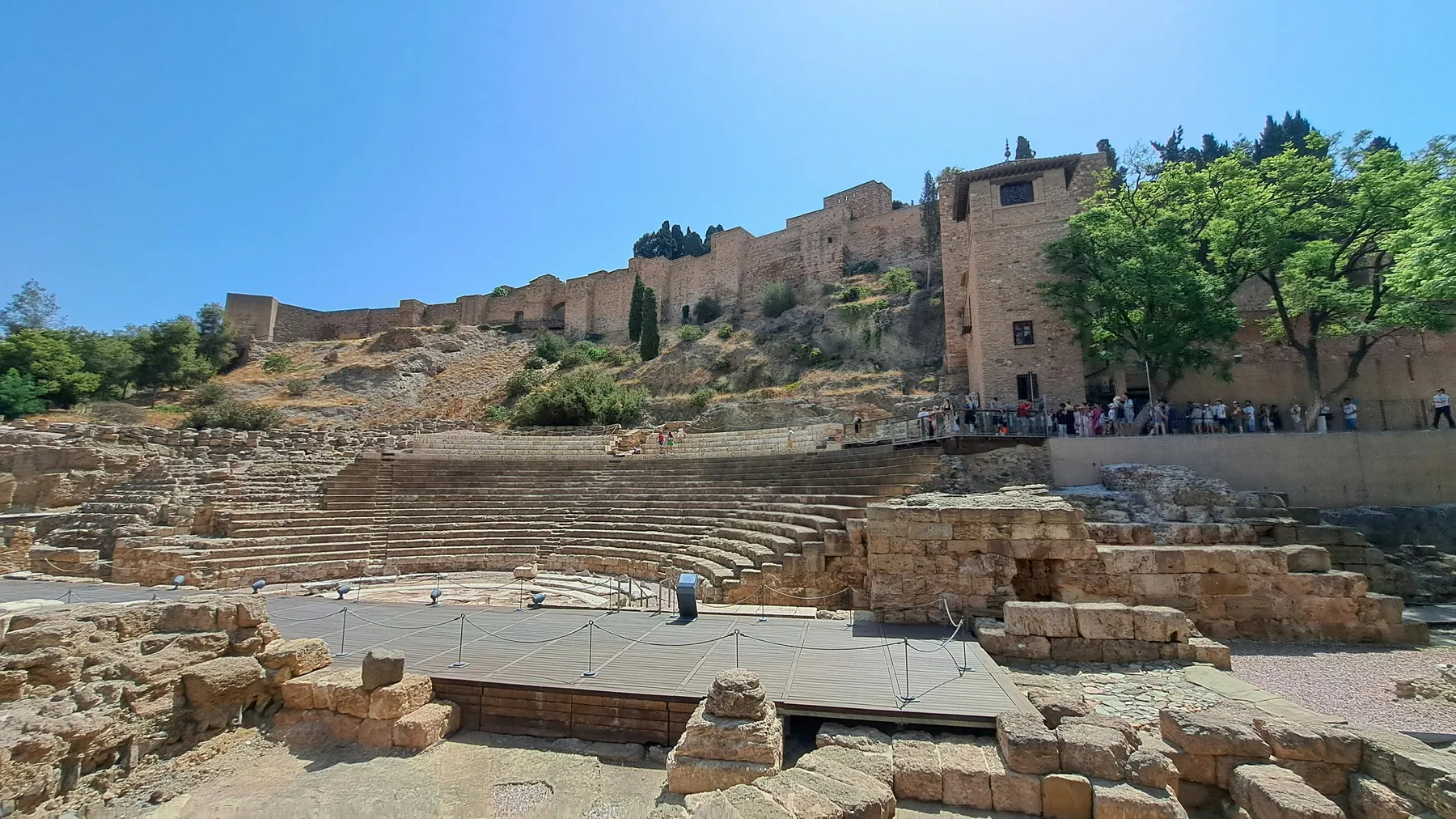
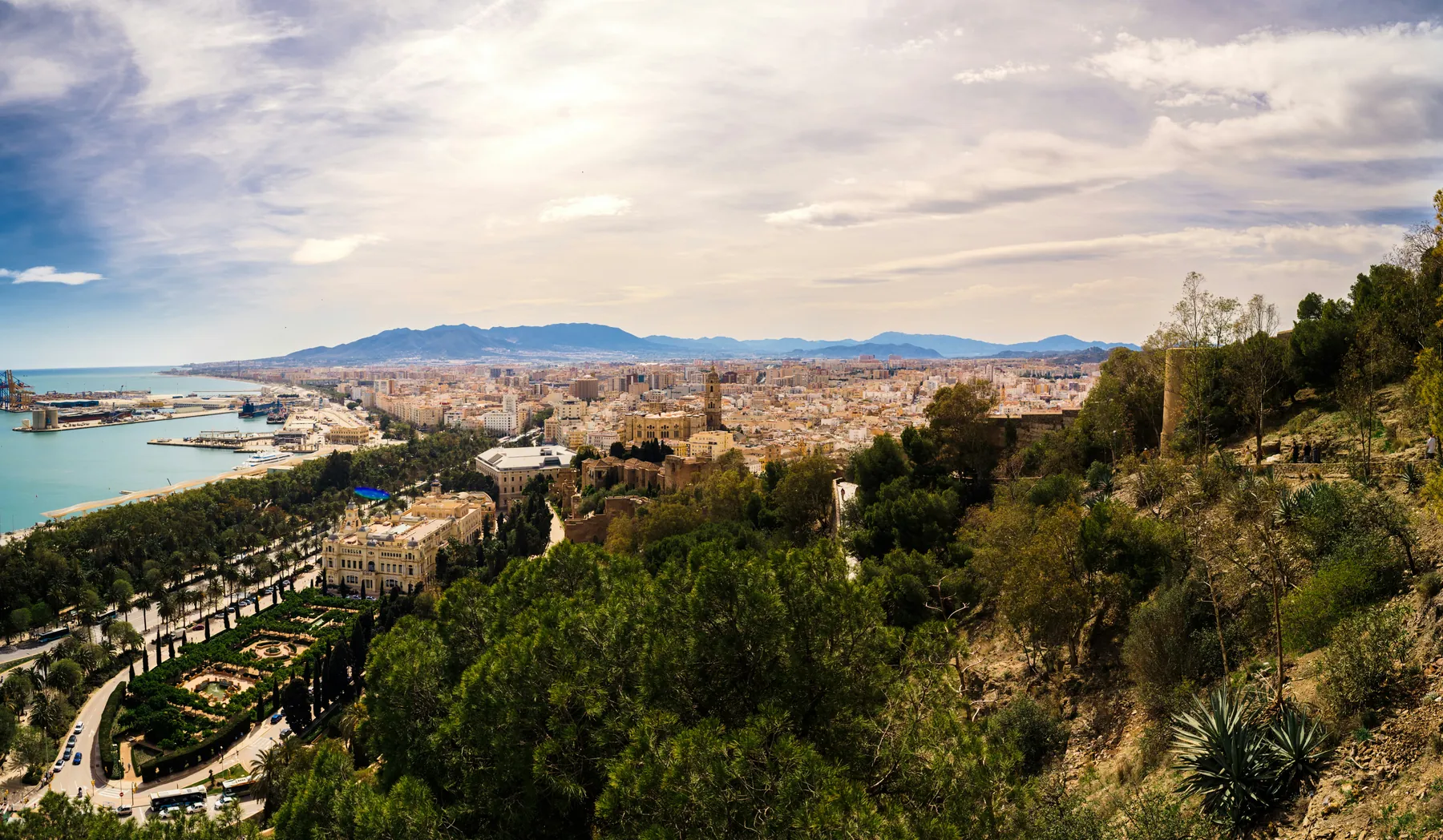
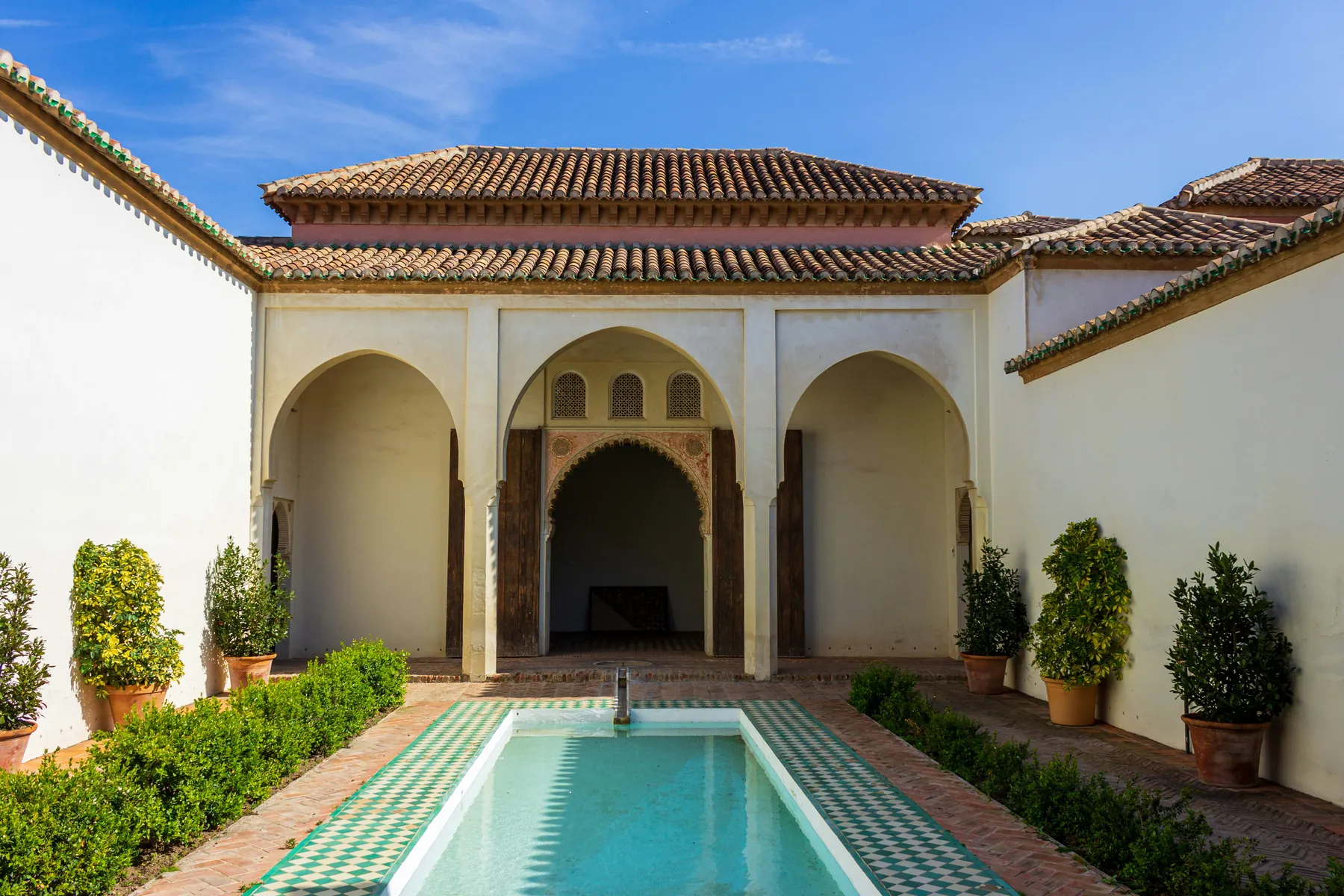
The Alcazaba and Gibralfaro are the big historic punctuation marks above Malaga. The Alcazaba brings Islamic-era defensive architecture, patios, walls and city views; Gibralfaro adds the hilltop fortress mood and a wider panorama over port, bullring, rooftops and sea.
Together they explain why Malaga was never just a beach city. It was strategic, layered and very good at choosing photogenic high ground.
- Alcazaba: best for architecture, gardens, walls and historic atmosphere.
- Gibralfaro: best for views and the fortress walk.
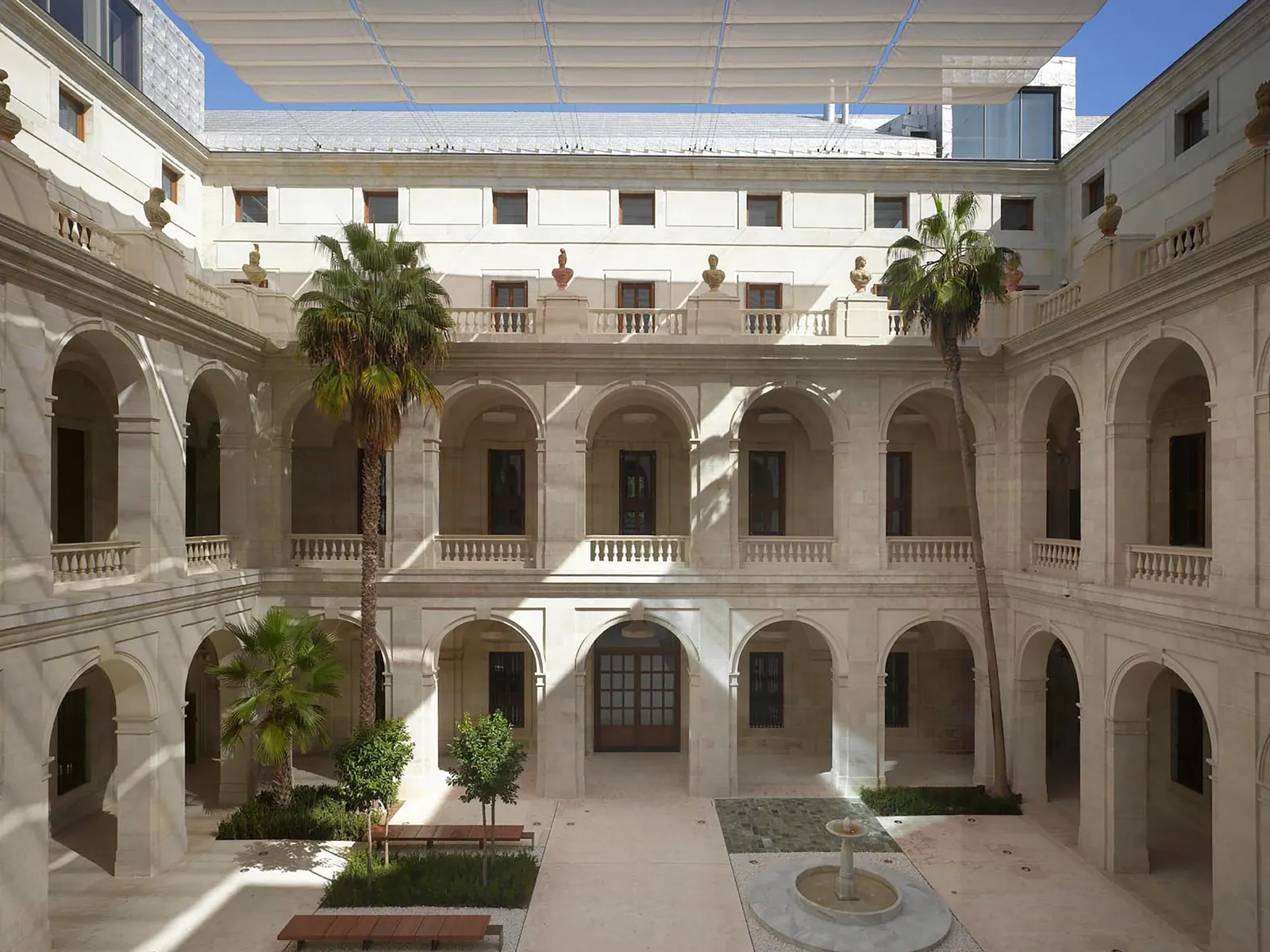
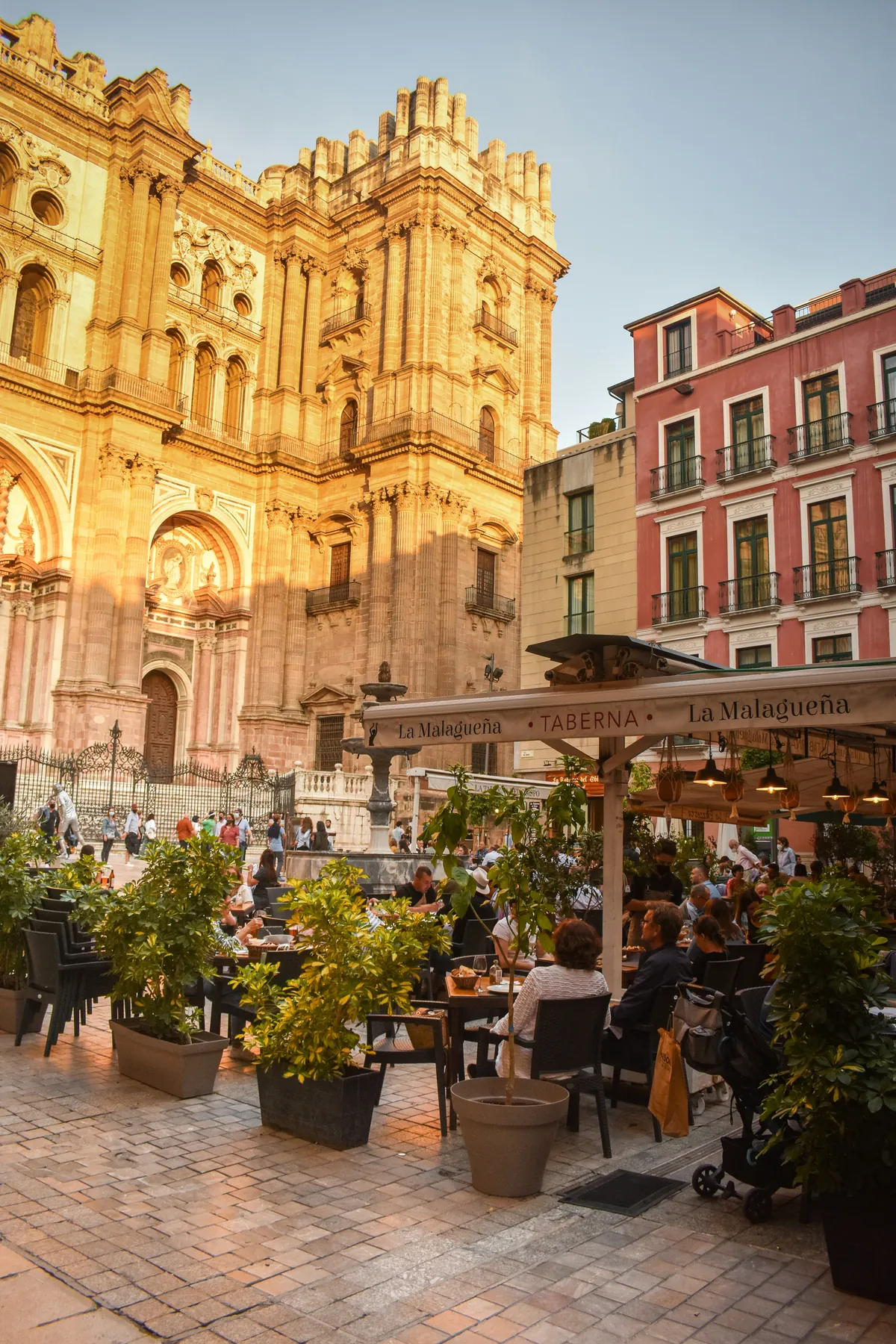
- Nearby: Roman Theatre, Alcazabilla, Museo de Malaga and Plaza de la Merced.
- Comfort rule: respect heat and slopes.
How to visit without overdoing it
If you have limited time or mobility, choose the Alcazaba first. It gives more variety in a compact area. Add Gibralfaro if you want the view and have enough energy, weather and footwear cooperation.
Do not combine a hot climb, a rushed museum and a heavy lunch unless your plan was designed by someone who hates ankles.
Best combinations
The cleanest cultural loop is Roman Theatre, Alcazaba, Calle Alcazabilla and Museo de Malaga or Picasso Museum. If you add Gibralfaro, keep the rest of the day lighter.
At sunset or cooler hours, the viewpoint side of the experience becomes much kinder.
Quick answers
Should I visit Alcazaba or Gibralfaro?
If you must choose one, choose the Alcazaba for historic richness. Choose Gibralfaro when views are the priority.
Is the climb to Gibralfaro difficult?
It can feel demanding in heat or with limited mobility. Check conditions and consider transport if needed.
What should I combine with the Alcazaba?
The Roman Theatre, Alcazabilla, Museo de Malaga and Plaza de la Merced combine very naturally.