
PracticalFor the wider picture, open the Practical Malaga travel tips.
Plan by surface and slope
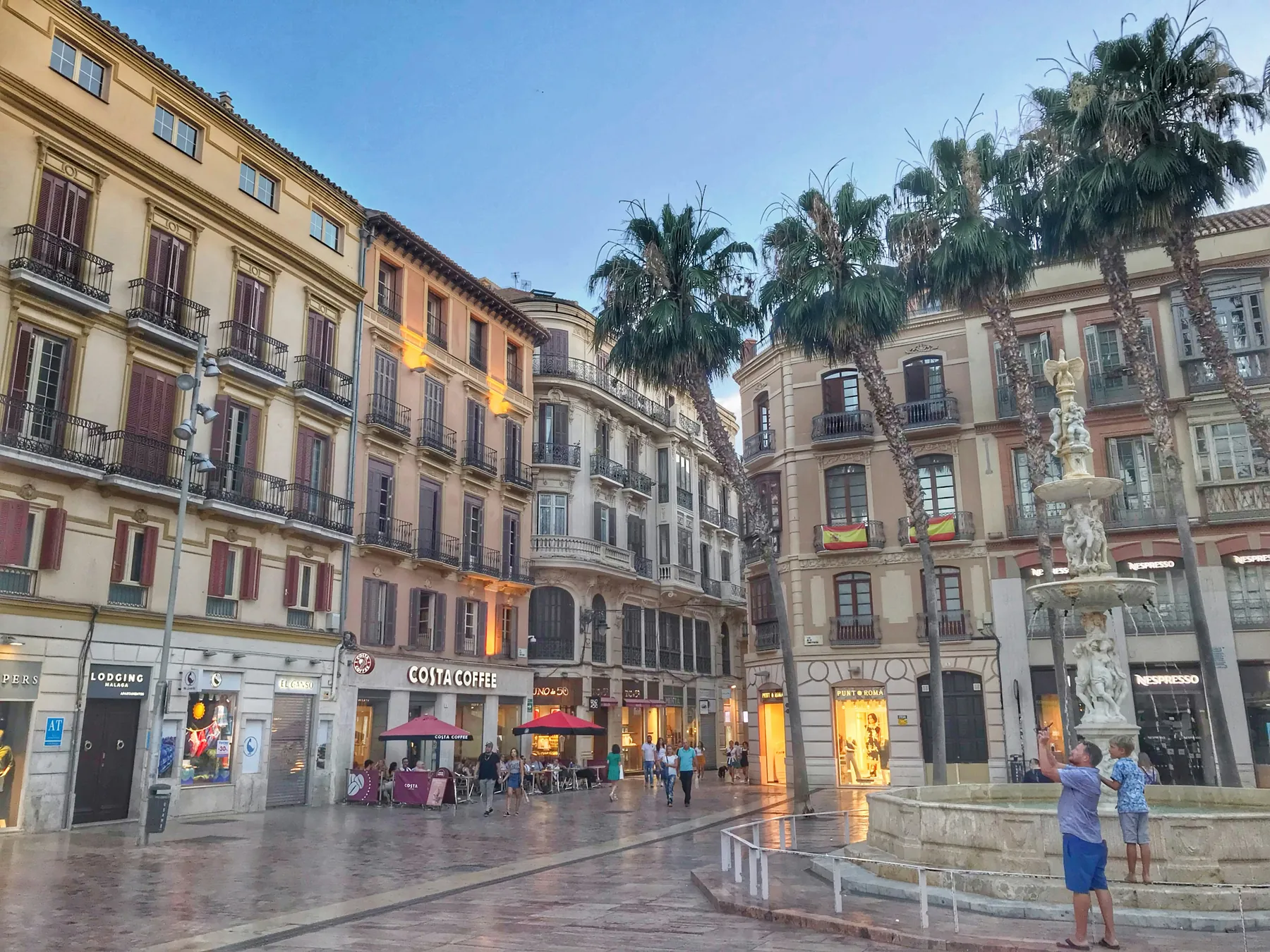
Malaga has many pedestrian-friendly central areas, but historic paving, crowds, narrow streets and hillside routes can make accessibility uneven. The old town, port and central museums are usually easier starting points than climbs to viewpoints.
Before booking attractions, check official accessibility pages or contact venues directly. Generic travel confidence is lovely, but a ramp is better.
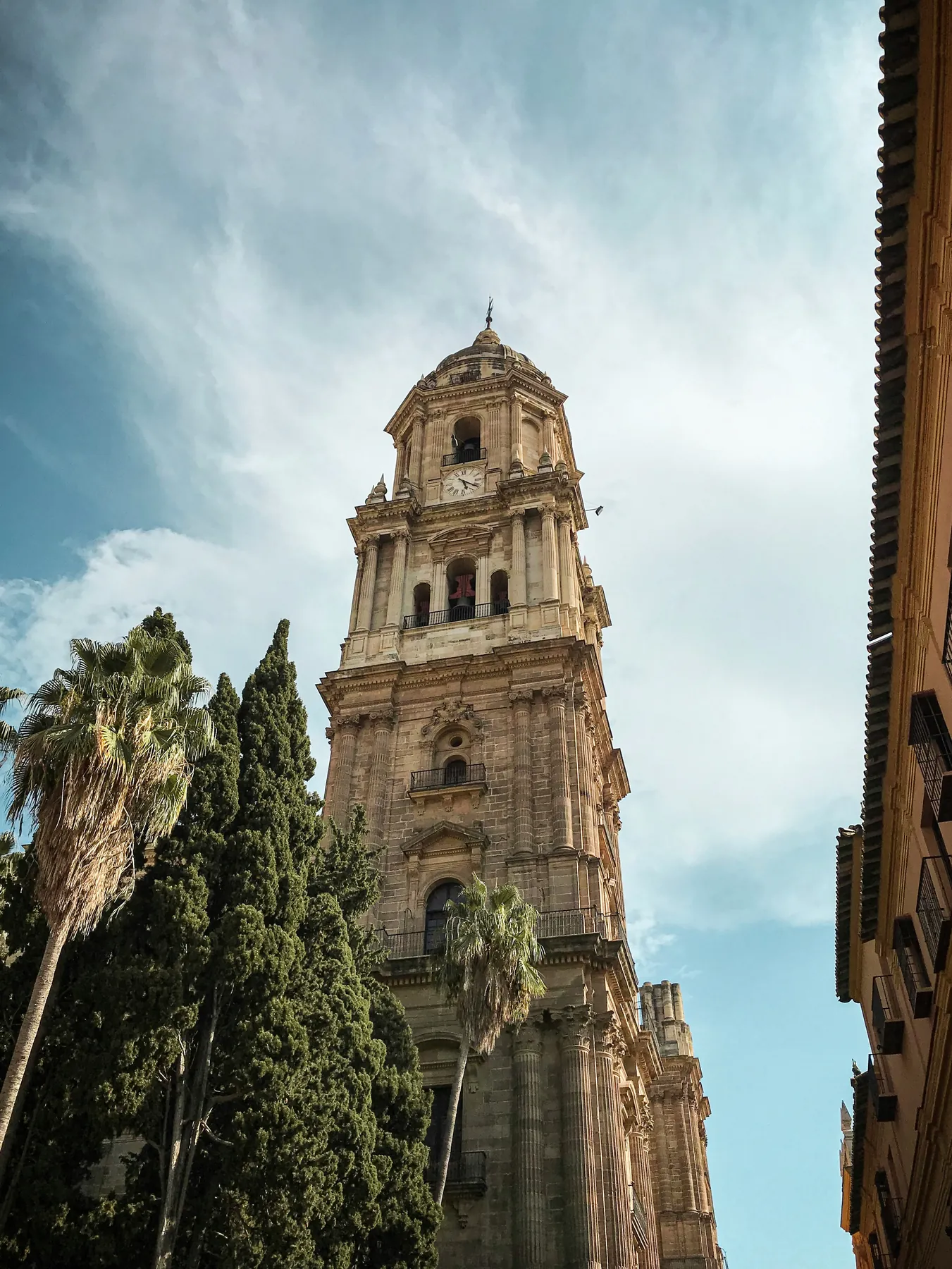
- Easier zones: port, Calle Larios, Cathedral area, central museums and Parque de Malaga.
- More challenging zones: steep viewpoints, old paving, crowded lanes and hillside walks.
- Useful strategy: build short loops with rest points.
- Transport strategy: use taxis or accessible public transport information when distance becomes friction.
Museums and monuments
Modern museums often provide clearer access information than historic monuments. For older sites such as fortresses, theatres or churches, accessibility can vary by area because the buildings were designed before anyone had the decency to invent inclusive tourism.
Choose one main sight per half-day and keep a nearby backup. That keeps the day pleasant if a route turns out to be more awkward than expected.
Beaches and comfort
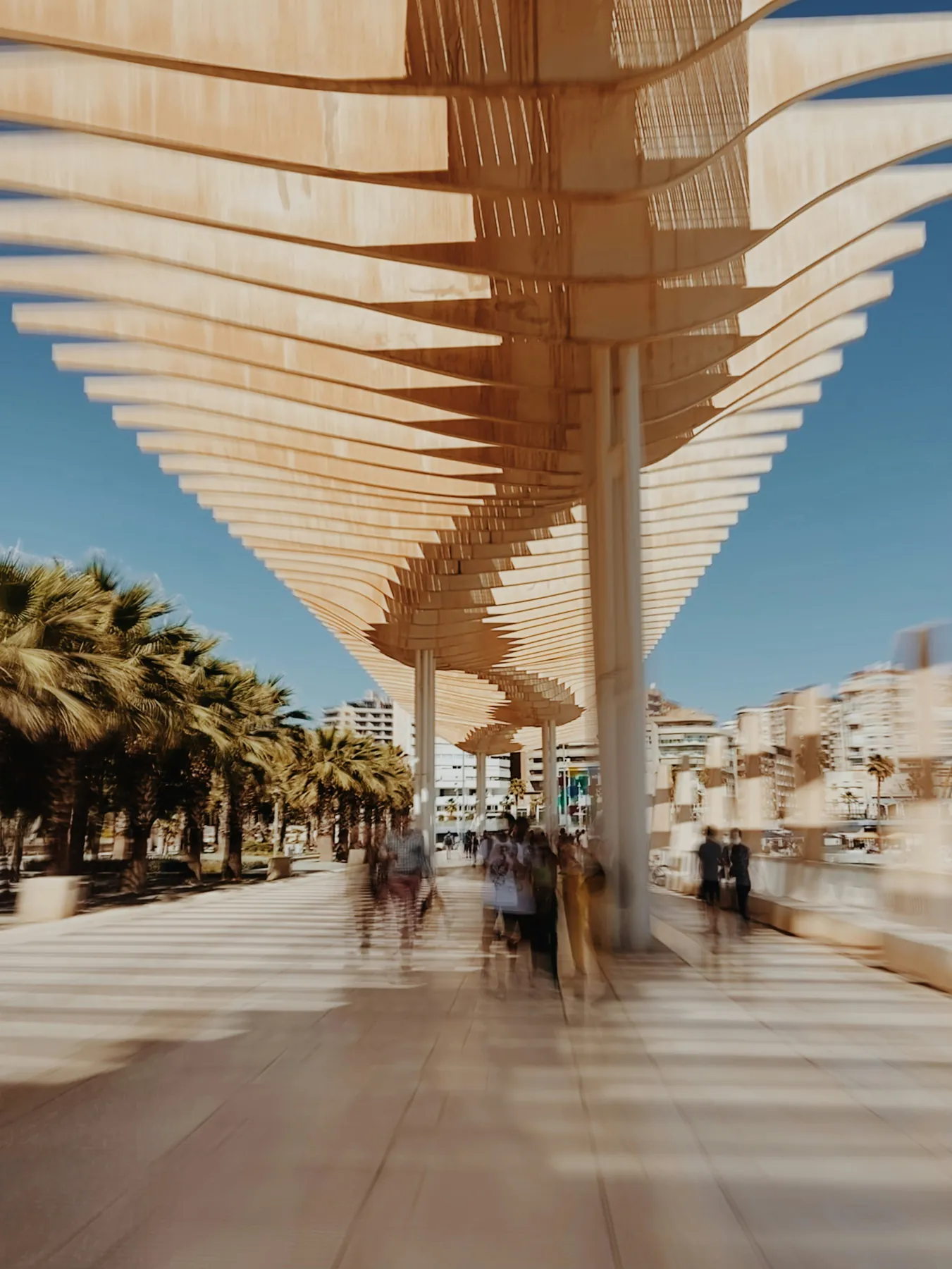
Beach accessibility, services and assistance can vary by season and beach. Check official Malaga beach information before planning a beach day around specific facilities.
For comfort, consider proximity to shade, toilets, transport, smooth promenades and places to sit. Sand is beautiful. Sand is also a tiny committee of problems.
Quick answers
Is Malaga accessible?
Many central areas are manageable, but historic paving, slopes and older monuments require careful planning.
Which areas are easiest?
The port, Calle Larios, Parque de Malaga and several central museums are usually easier than hillside routes.
Should I check accessibility before visiting monuments?
Yes. Historic sites can have uneven access, so official venue information is important.