Choose the route by time you genuinely have
A good Malaga itinerary begins with an honest clock. Eight free hours after leaving a cruise ship are not the same as a full day after breakfast in the centre. Two nights do not automatically create three useful sightseeing days. Count arrival, luggage, meals, heat and the charming human habit of stopping when something looks interesting.
Use the shortest guide that matches your real usable time, then borrow optional ideas from the longer one. This produces a calmer trip and dramatically fewer conversations beginning with, 'Technically, we can still make it.'
Eight hours or one day
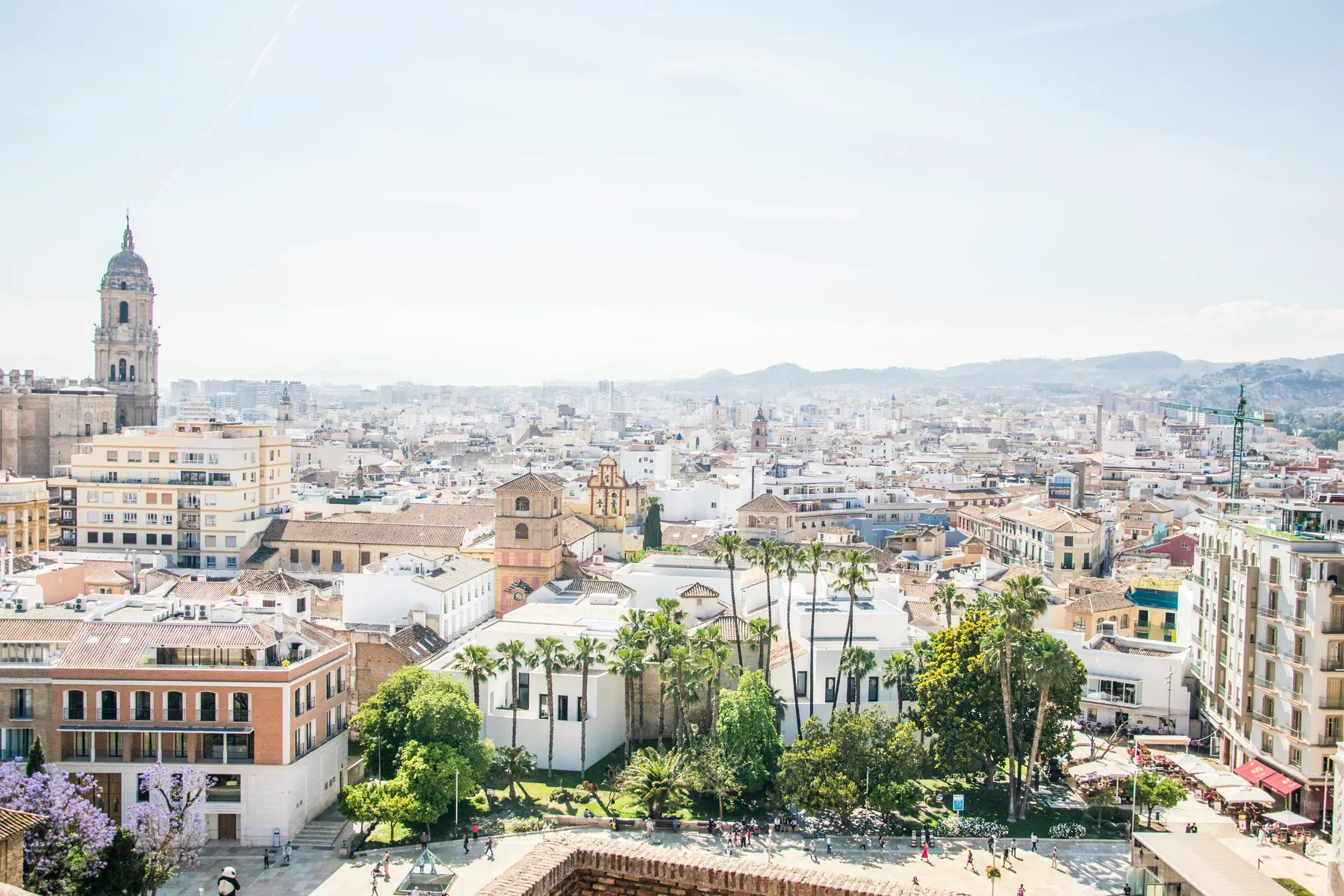
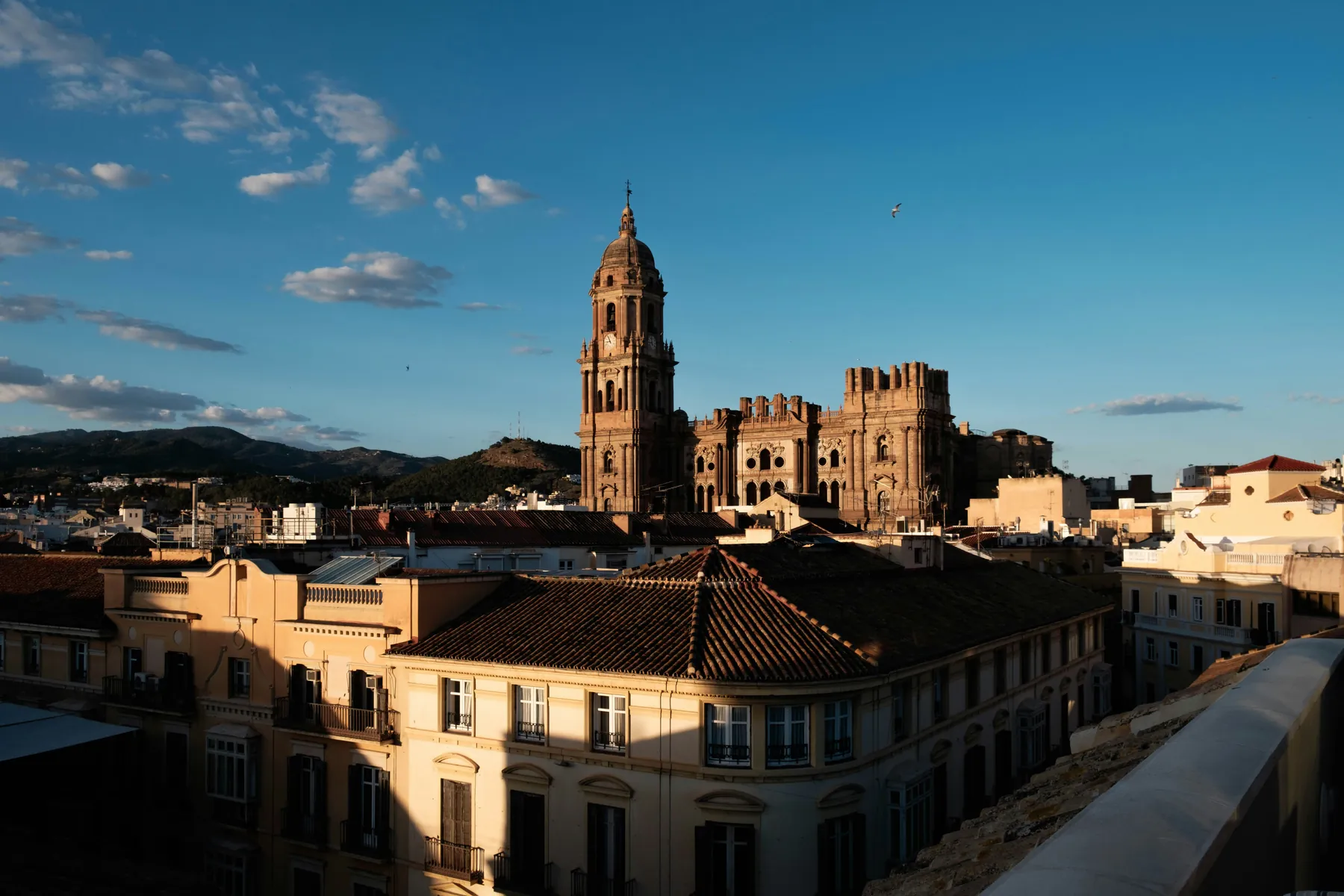
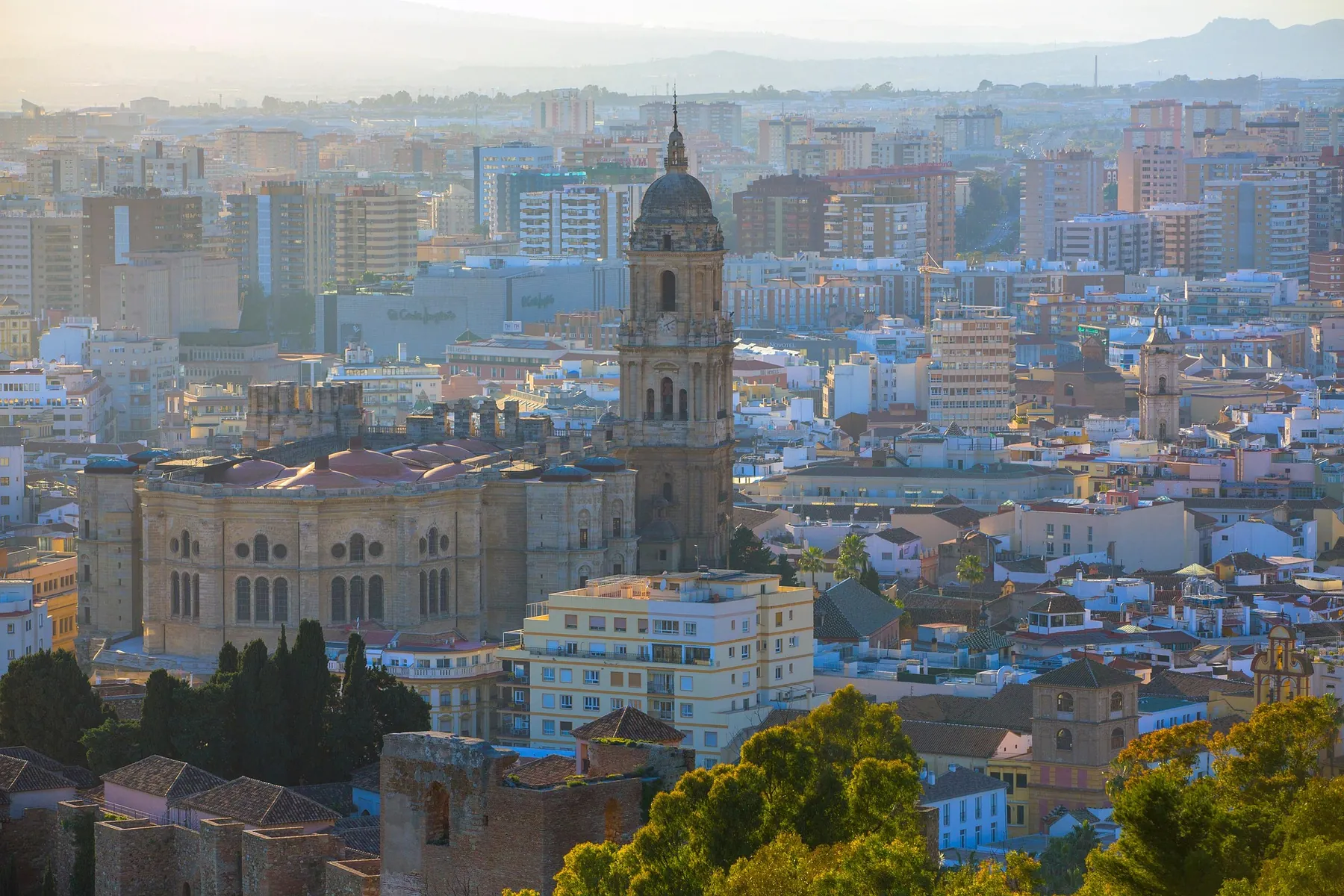
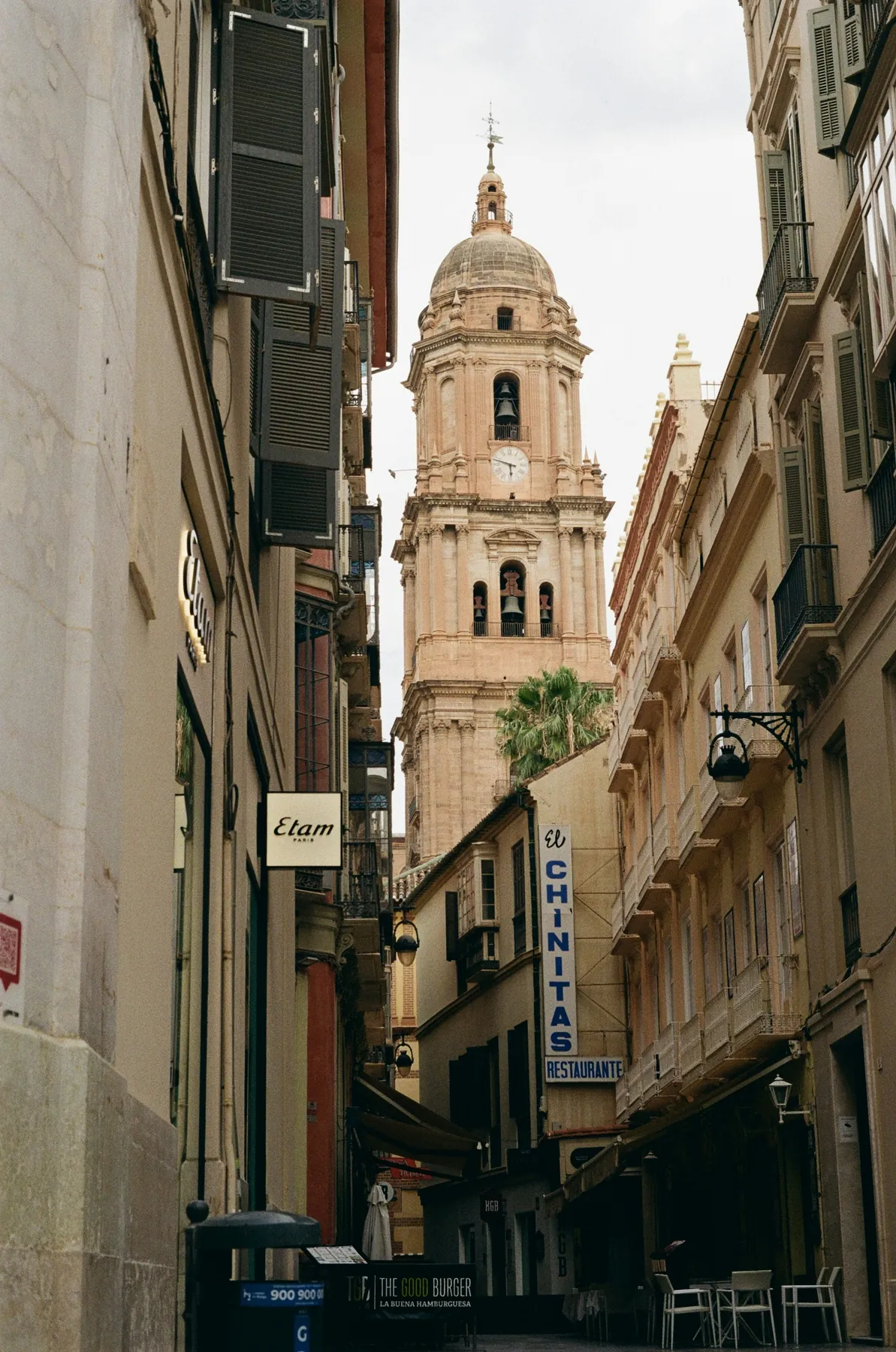
The compact route stays around Calle Larios, the Cathedral, Roman Theatre, Alcazaba, Plaza de la Merced and the port. Choose one paid monument and one indoor stop. If you are arriving from the cruise port or airport, protect a generous return margin before adding Gibralfaro or the beach.
In summer, reverse the heat: outdoor history early, museum and lunch at midday, coast or port later. The dedicated summer itinerary is deliberately shorter on kilometres and richer in shade.
Two days
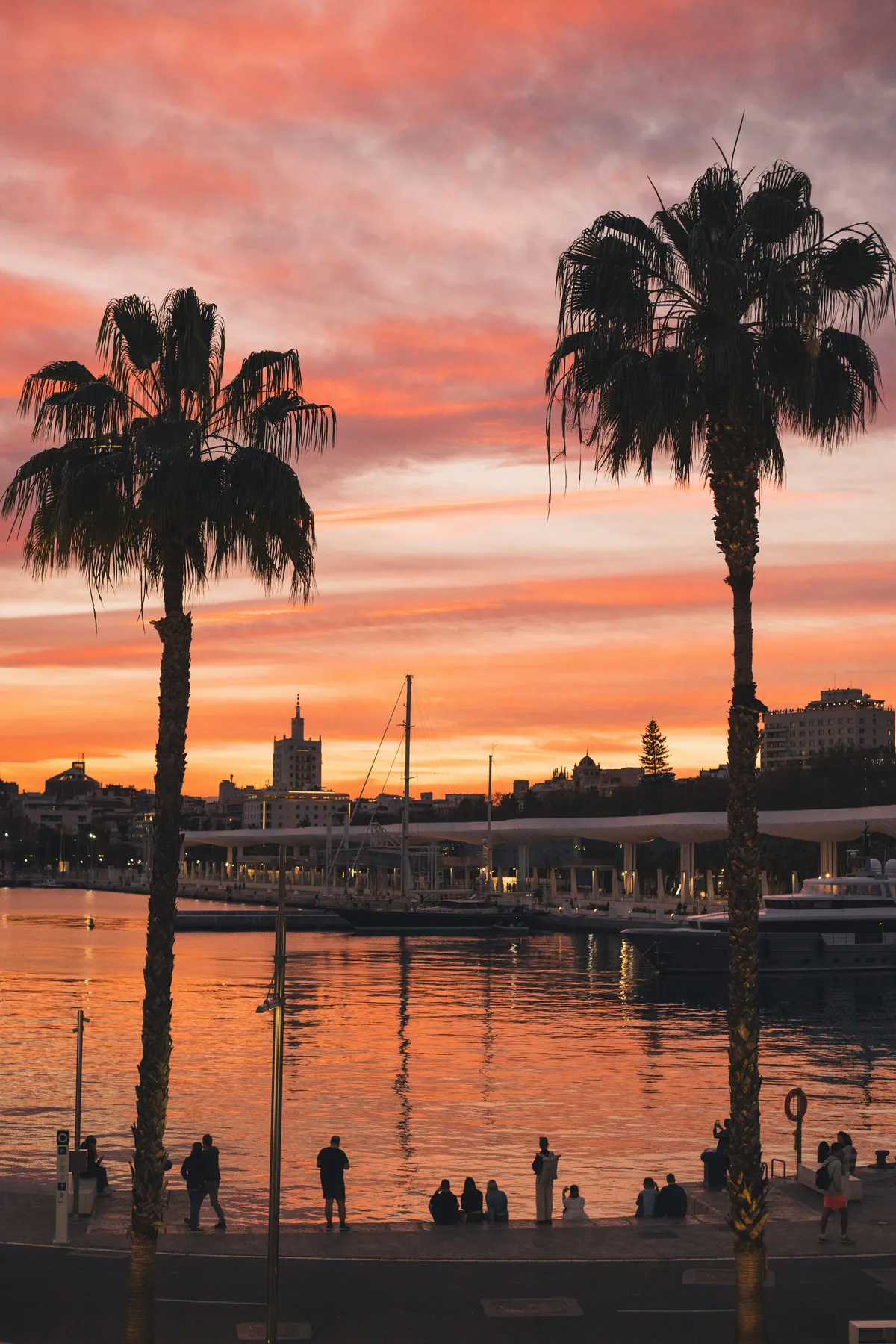
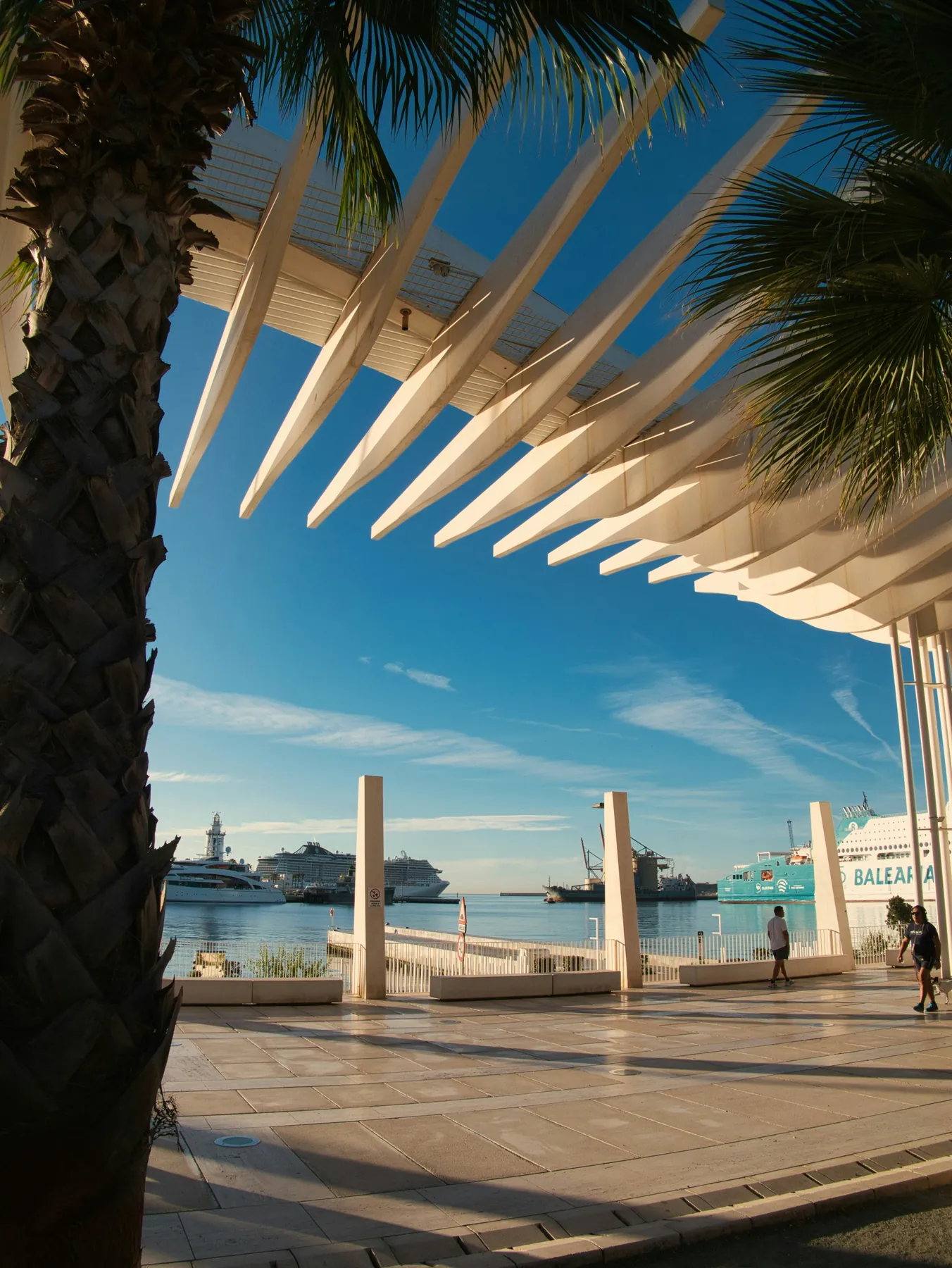
Day one should explain the centre: monuments, one museum, Atarazanas Market or tapas, then Muelle Uno. Day two should widen the picture with Gibralfaro, La Malagueta, Pedregalejo, El Palo, Soho or a second museum chosen for a real reason.
Do not spend both days repeating the same central loop. Malaga becomes more convincing when the old town and coast are allowed to disagree politely about what the city is.
Three days and longer
Three days give you space for a proper eastern-coast afternoon, a nature stop or a more ambitious museum plan. They also make a day trip possible, but only if Malaga itself has received enough attention. Using the city solely as a pillow between excursions is efficient and slightly tragic.
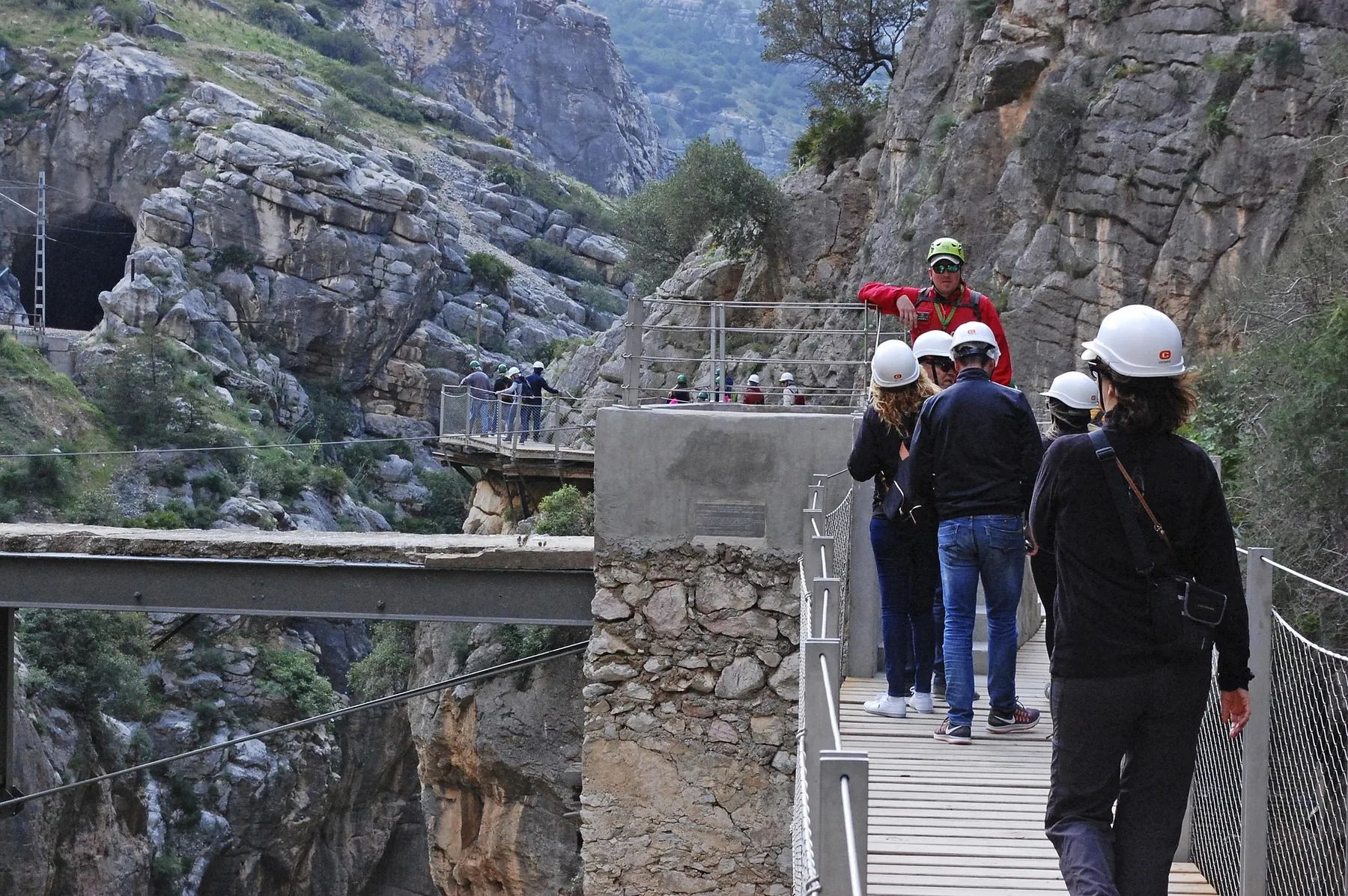
For longer stays, alternate city days with one carefully chosen excursion. Ronda, Caminito del Rey, Nerja, Frigiliana, Granada and Antequera solve different travel wishes; the day-trips guide compares effort, transport and booking pressure before you volunteer for a dawn alarm.
Change the pace for the people travelling
Families usually need shorter sightseeing blocks, a reliable food stop and somewhere open enough for children to move without negotiating with antique furniture. Teenagers respond better when the route contains a beach, street art, a viewpoint or food they helped choose. Older visitors may prefer the same landmarks with transport uphill, fewer polished-stone kilometres and a longer lunch. None of this is lowering ambition; it is removing bad logistics.
Solo travellers can keep the route flexible and use markets, group visits or a social evening to add company without surrendering the whole day. Cruise visitors should work backwards from the all-aboard time. Travellers without a car lose very little inside Malaga city, because the centre is walkable and the coast is connected by public transport.
The rules that keep every itinerary useful
Book only the timed attraction you would genuinely regret missing. Check official opening information close to the visit. Keep one indoor alternative, one meal with enough time and one part of the day that can disappear without emotional paperwork.
Walking times on a map do not include photographs, queues, wrong turns, coffee or the person in your group who has discovered ceramic shopping. Add slack. It is not wasted time; it is the part in which the holiday normally happens.
- One major monument before lunch.
- One indoor cultural stop.
- One proper food decision.
- One flexible waterfront, neighbourhood or viewpoint finish.
- One backup for heat, rain or changed opening hours.