Start with the shape of the city
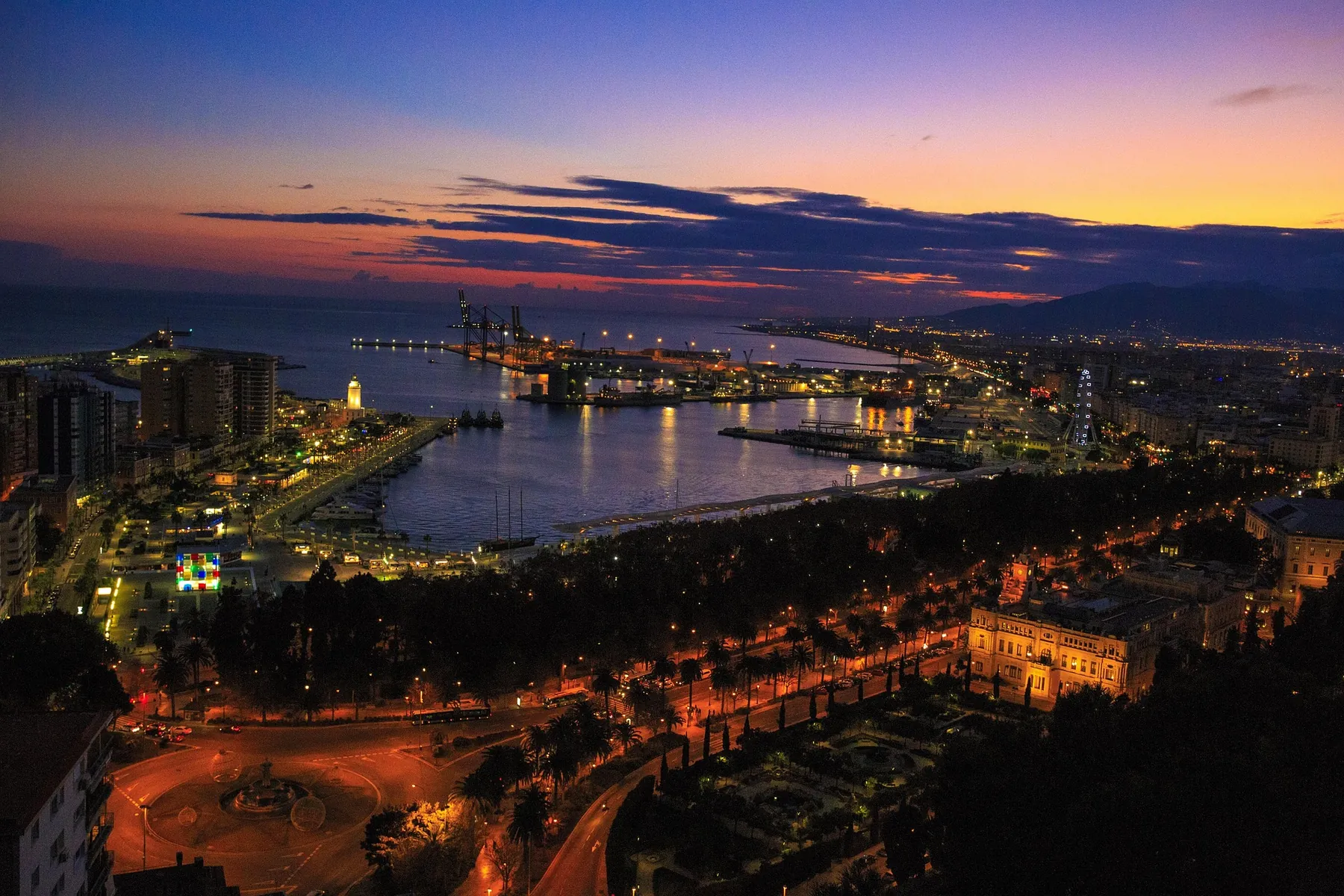
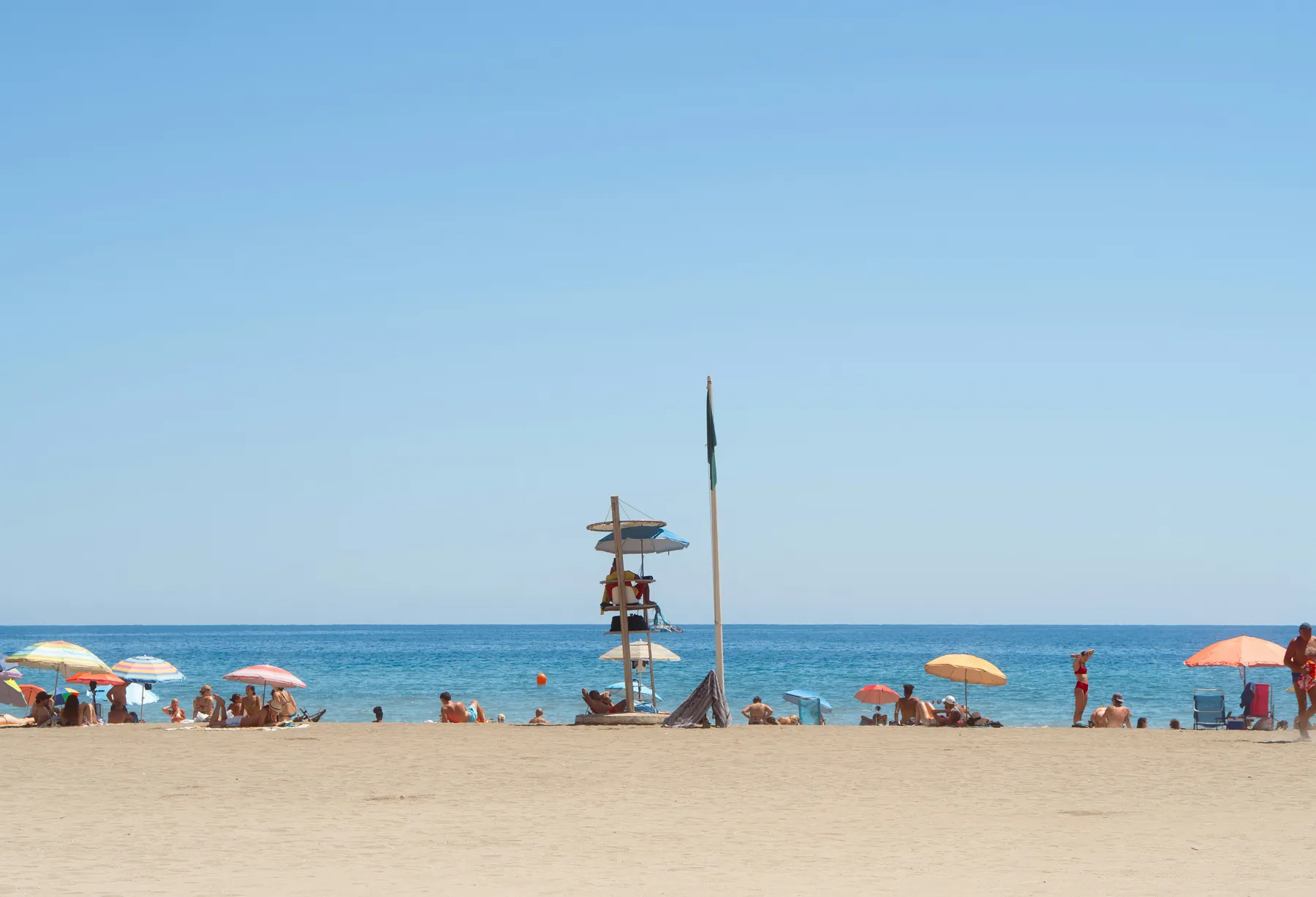
Malaga is generous but compact. The historic centre carries the big monuments, museums and most of the first-visit atmosphere; the port opens the city towards the sea; the eastern coast slows everything down around Pedregalejo and El Palo. You do not need to collect all three zones in one heroic afternoon.
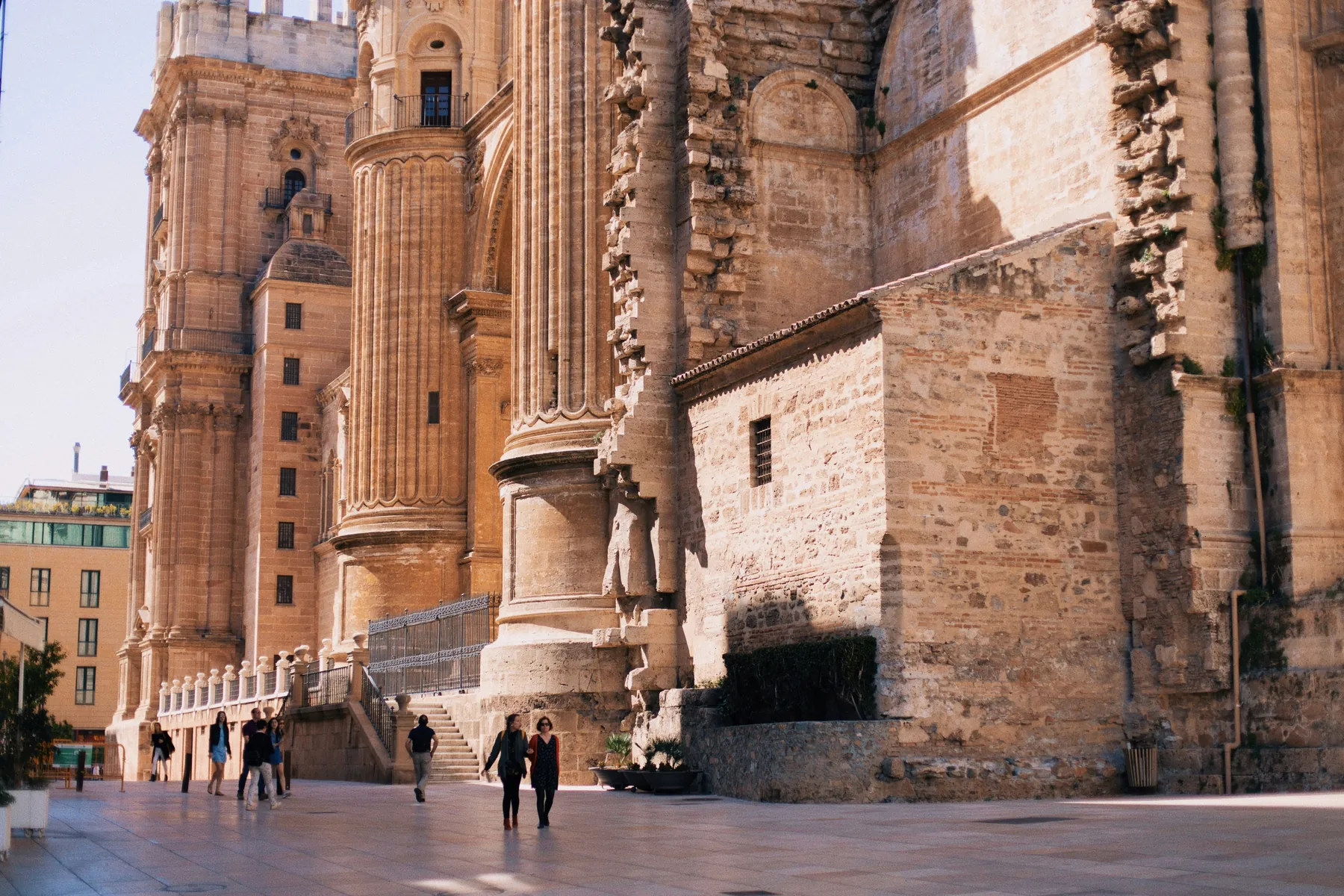
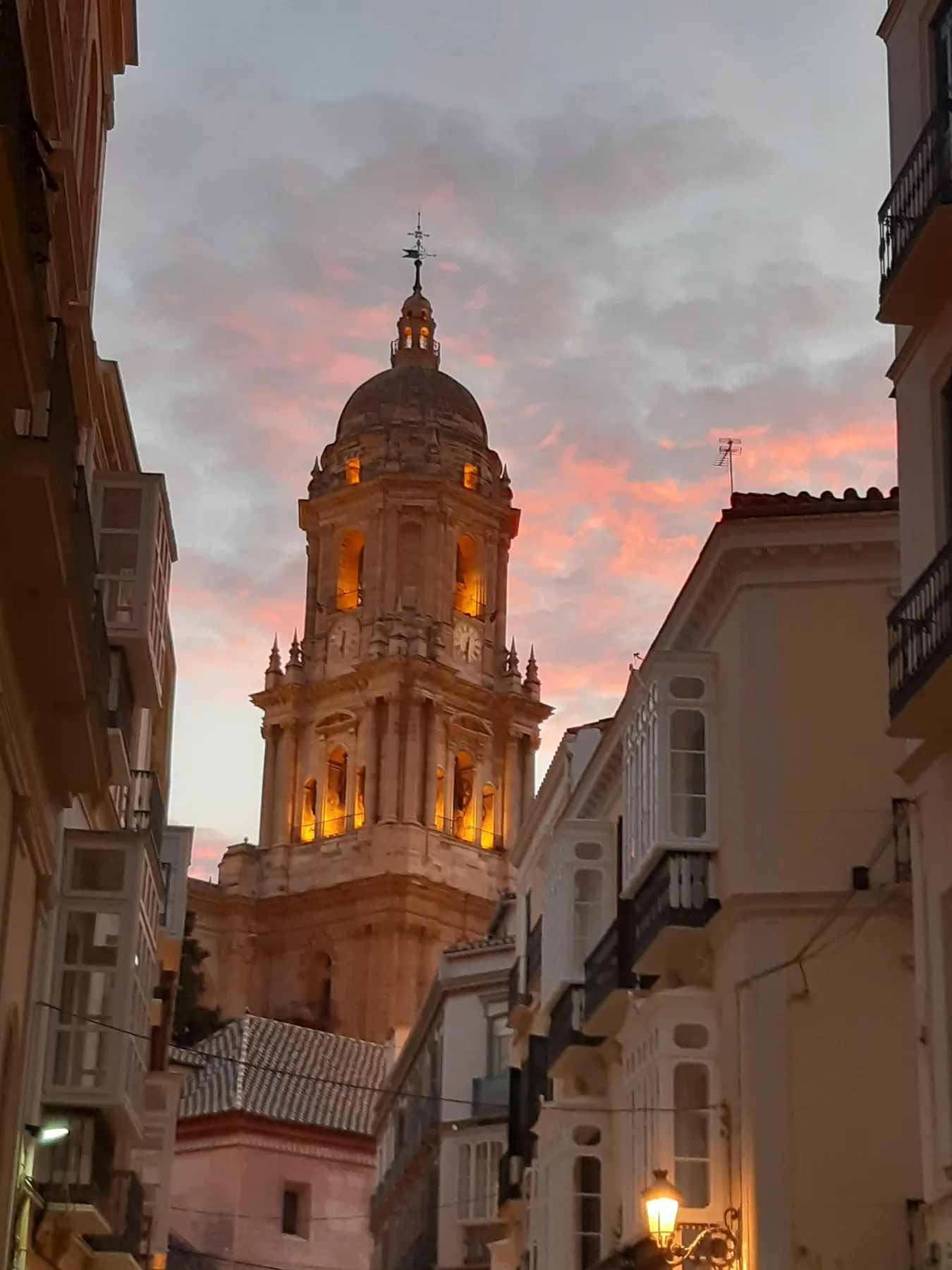
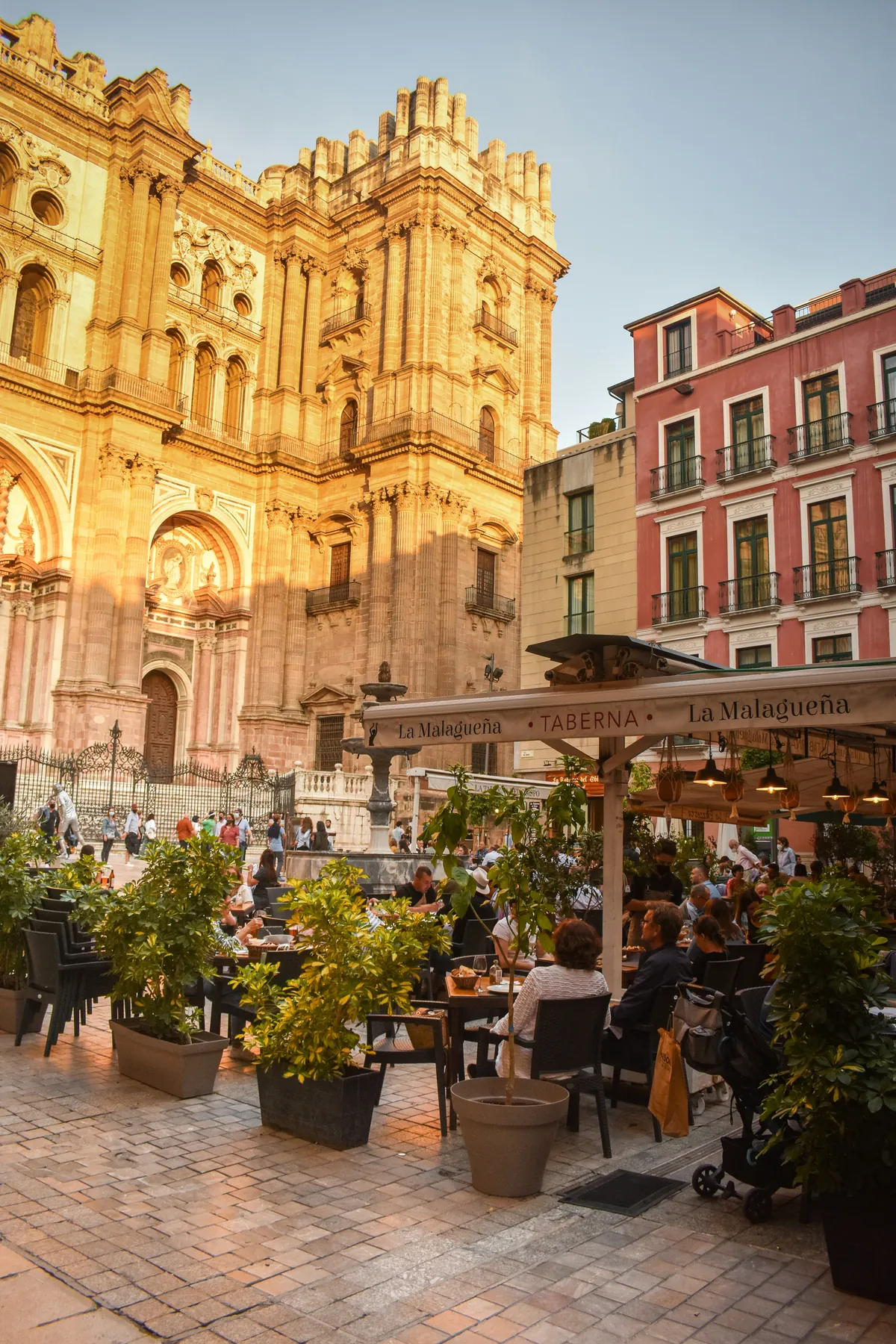
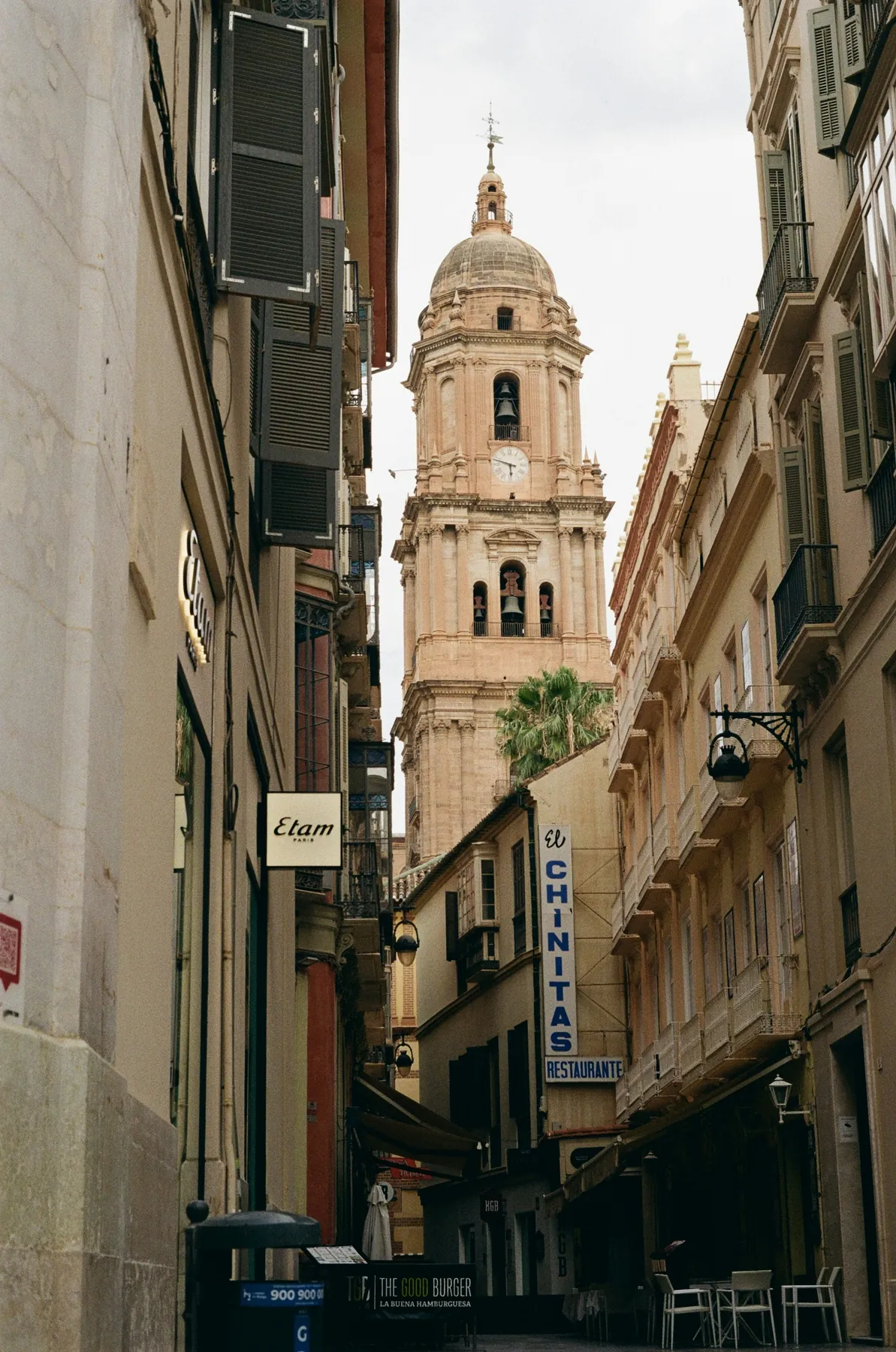
For a first morning, walk Calle Larios, the Cathedral area and Calle Alcazabilla. The Roman Theatre and Alcazaba sit almost on top of each other, which is Malaga being unusually considerate with your feet. Continue to Plaza de la Merced, choose one museum, then decide whether the day needs a viewpoint, a beach or lunch with no immediate sequel.
Choose by interest, not by fear of missing out
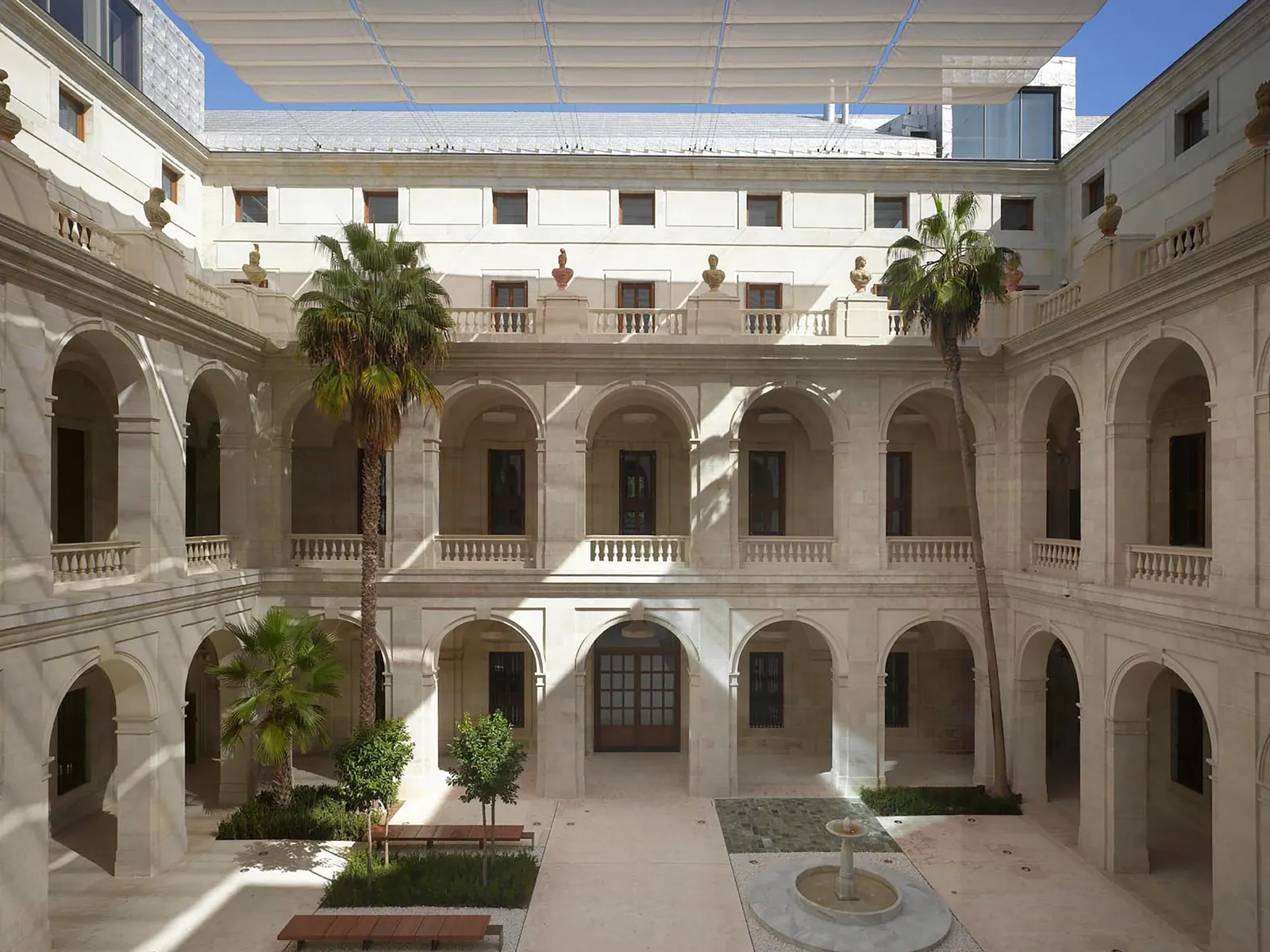
For history, prioritise the Alcazaba, Roman Theatre, Malaga Cathedral and the old-town streets between them. For art, use the Malaga museums guide to choose between Picasso, Museo de Malaga, Carmen Thyssen, Centre Pompidou and smaller collections. One museum chosen well beats four visited at the speed of airport security.
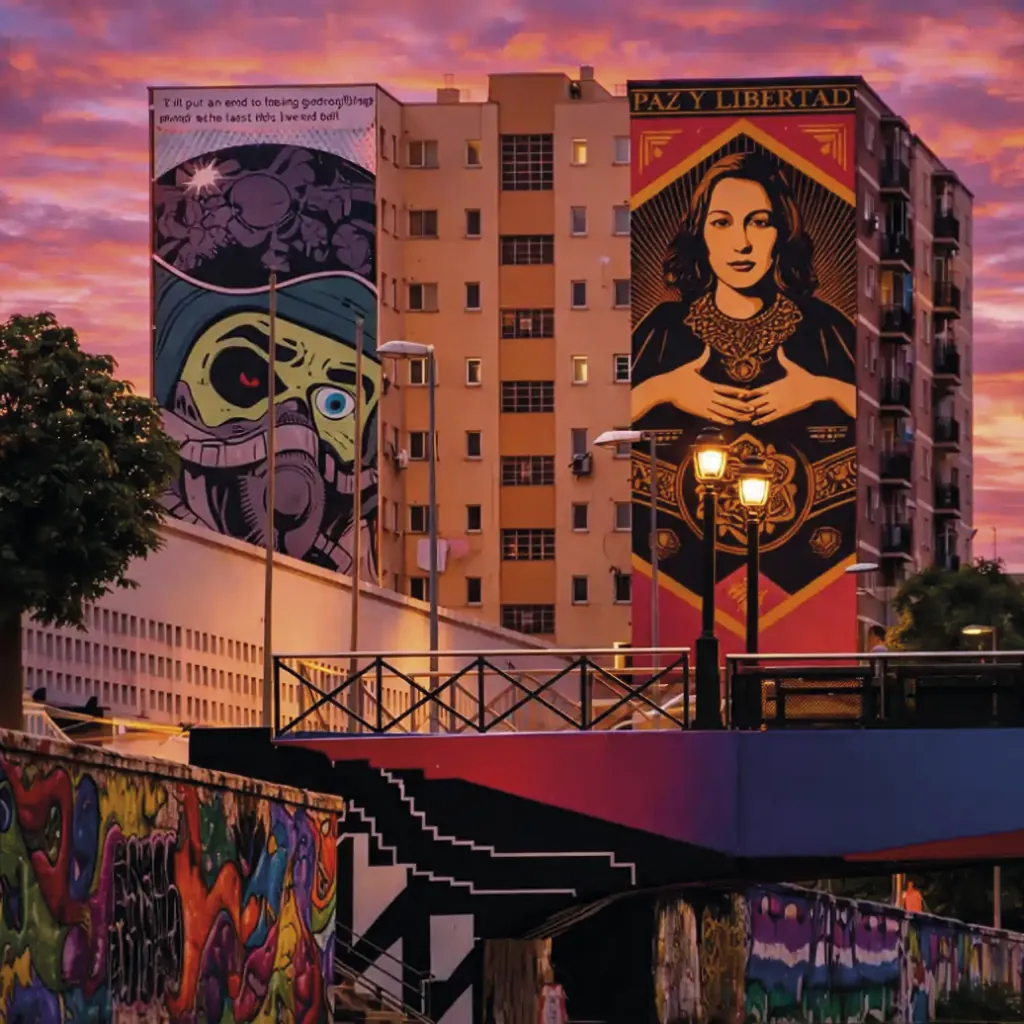
Soho gives you street art and a more contemporary urban mood. Muelle Uno and the port are easy additions when you want a flat walk, sea air and fewer historical dates demanding storage space in your brain.
- One essential monument: the Alcazaba.
- One compact history stop: the Roman Theatre.
- One art choice: use the museums guide rather than guessing at the door.
- One easy waterfront finish: Muelle Uno.
- One neighbourhood change of mood: Soho or Pedregalejo.
Choose by weather and energy
On a hot day, put exposed stone and viewpoints early, use a museum or long lunch through the harshest hours, and move towards the coast later. On a rainy day, Malaga still has museums, the market, covered food stops and enough old-town shelter to keep the day respectable.
Low-energy days work well around the Cathedral, Museo de Malaga, the port and La Malagueta because the distances stay civilised. High-energy days can add Gibralfaro, the botanical garden or a longer coastal walk. The city does not award medals for unnecessary suffering.
Free, family and accessible choices
Free plans include old-town streets, the Roman Theatre viewpoint from Calle Alcazabilla, Malaga Park, the port, beaches and several viewpoints. Travelling with children, teenagers, older visitors or reduced mobility changes the best order more than it changes the city itself, so use the dedicated practical guides for pace, shade, gradients and transport.
Accessibility varies sharply between a flat waterfront and a hilltop fortress. Check the current official access information for the attraction that matters most, then design the rest of the day around that fact rather than optimism in comfortable shoes.
Save something for the evening
Malaga after dark can mean tapas, a quiet wine, live flamenco, craft beer in Soho, a rooftop view or a seafront dinner. Nightlife is not one compulsory neon corridor. Pick the atmosphere you actually enjoy and let geography do the work.
A strong first day usually contains one major sight, one cultural stop, one proper meal and one flexible finish. Add more only if everyone is still curious. Holiday mutiny is rarely caused by seeing too little; it is usually caused by the sixth item on a laminated schedule.