Things to doFor the wider picture, open the Things to do in Malaga.
The essential loop
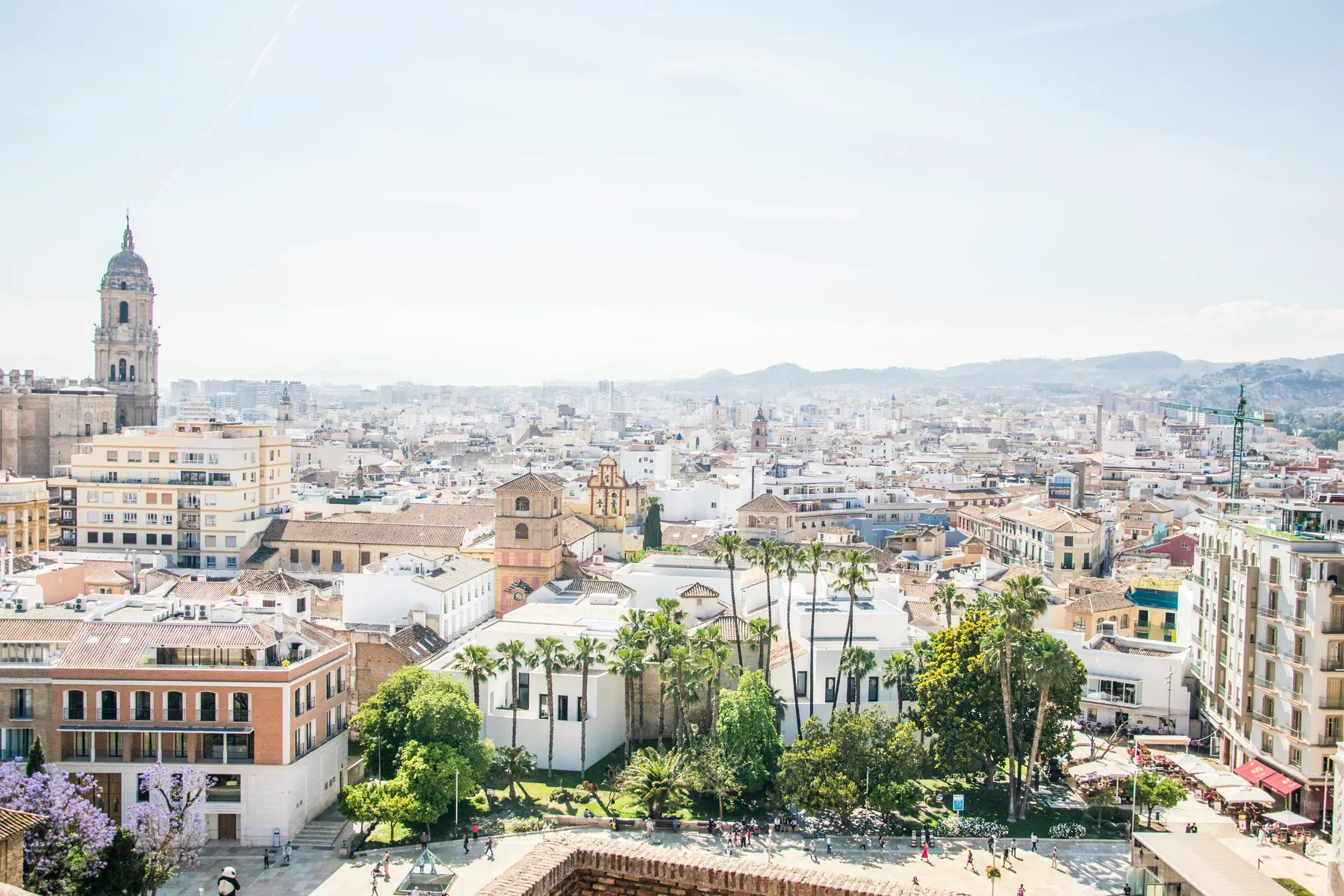
The historic centre is compact, but it is layered like a very determined cake. Start at Calle Larios and Plaza de la Constitucion, move towards the Cathedral and Plaza del Obispo, then continue to Calle Alcazabilla for the Roman Theatre and Alcazaba. From there, Plaza de la Merced pulls you naturally into Picasso territory.
This loop works because it tells Malaga's story without requiring a lecture. You see commercial Malaga, religious Malaga, Roman Malaga, Islamic Malaga, artistic Malaga and tapas Malaga. The last one may not be in the textbooks, but it has excellent attendance.
- Calle Larios: the clean, elegant spine of the centre.
- Plaza de la Constitucion: old civic heart, excellent people-watching.
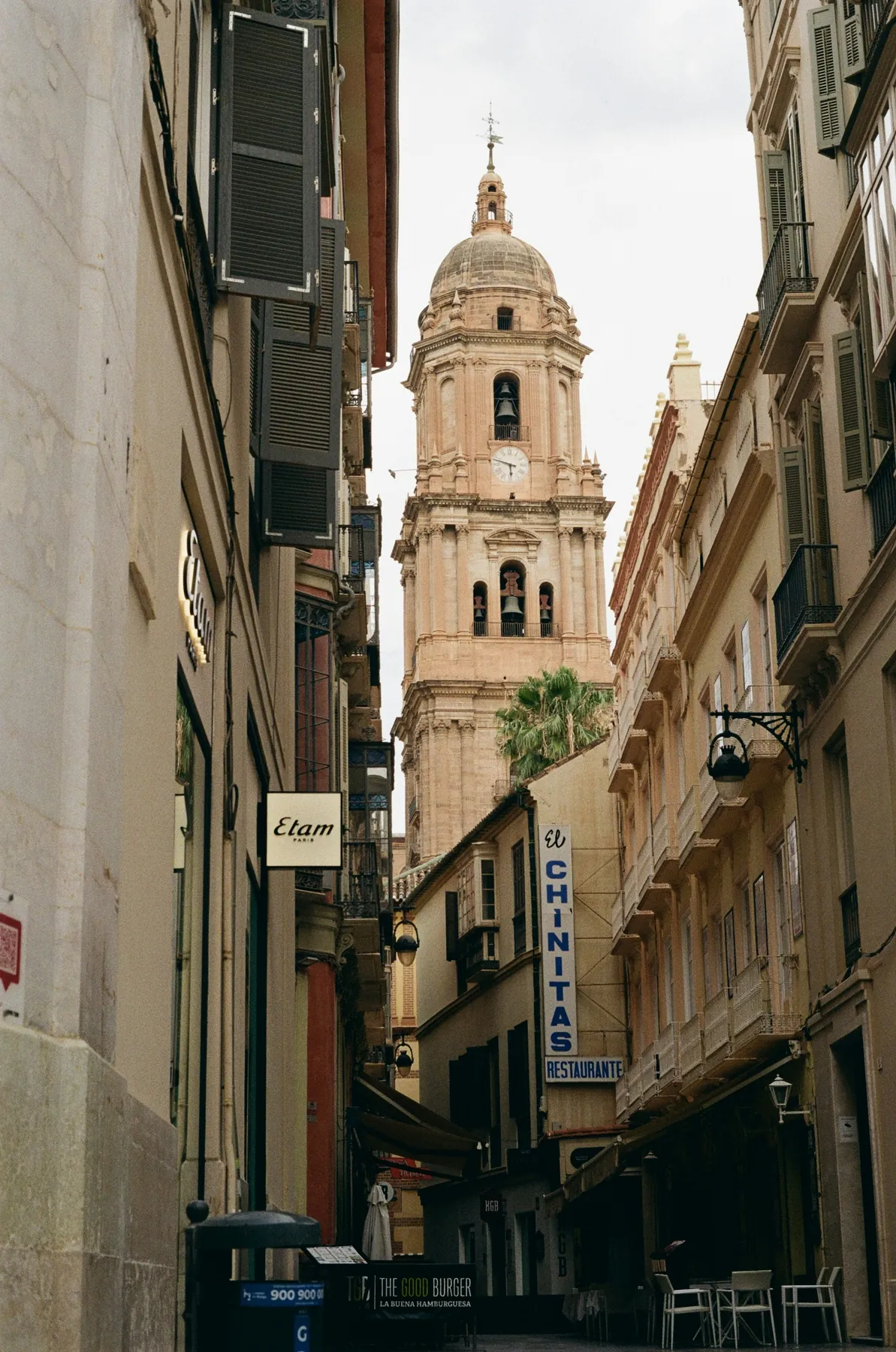
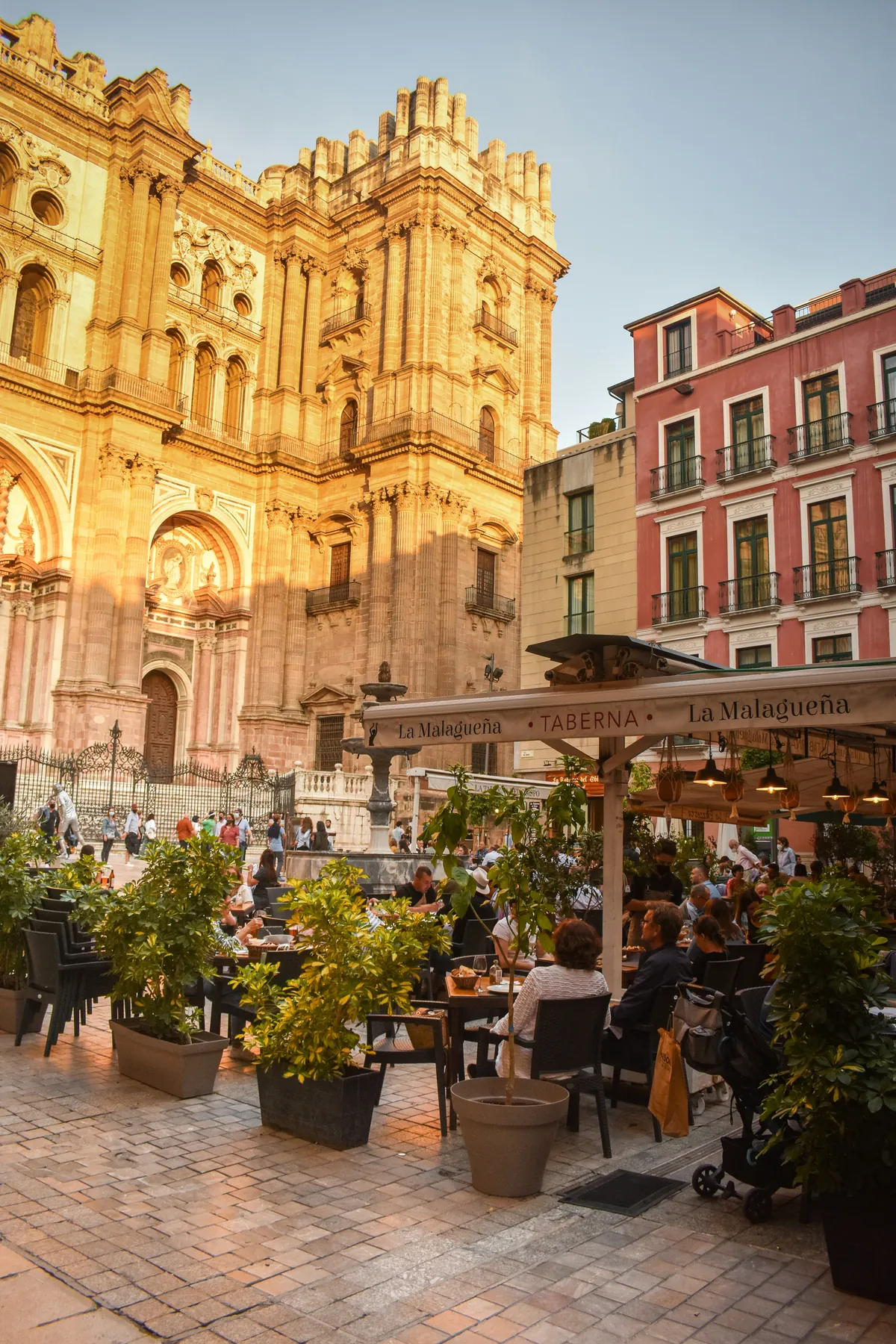
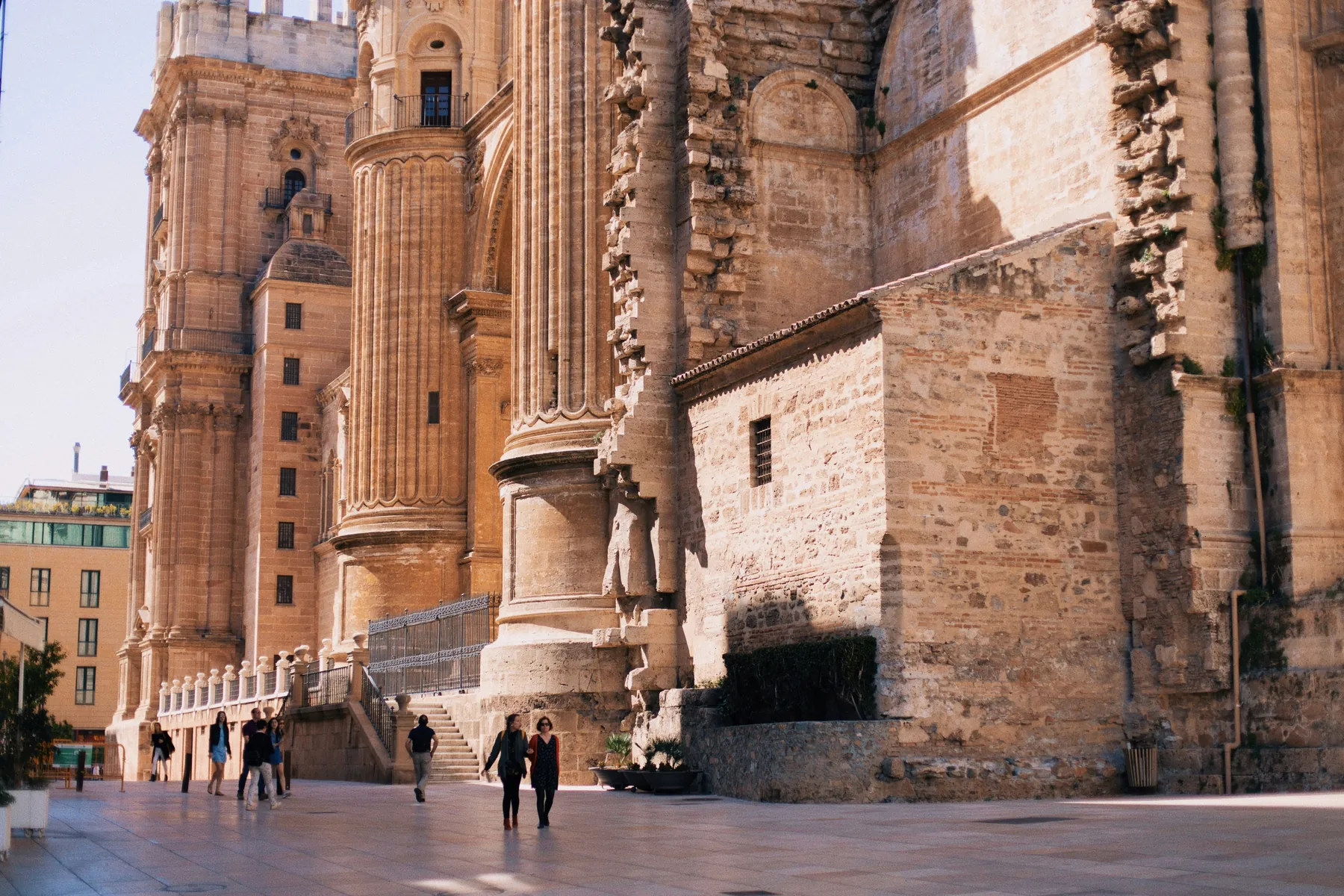
- Cathedral and Plaza del Obispo: grandeur with a touch of unfinished drama.
- Roman Theatre and Alcazaba: the city's most photogenic history lesson.
- Plaza de la Merced: Picasso, terraces and a softer neighbourhood rhythm.
The big three
The Roman Theatre sits at the foot of the Alcazaba, which is wonderfully efficient if you like your centuries stacked vertically. The Alcazaba is a palace-fortress of courtyards, walls and views; Gibralfaro sits higher above it and gives the broad city panorama.
If you only have time for one ticketed historic monument, choose the Alcazaba. If you want the view, add Gibralfaro. If you want the city to pose for a postcard, stand on Alcazabilla and let the Roman Theatre, the Alcazaba and the hill do the heavy lifting.
Small corners worth noticing
Look for the Atarazanas Market gate, the streets around San Agustin, the painted church facades, the Sagrario side of the Cathedral, Pasaje de Chinitas and the quieter lanes north of Calle Granada. Malaga is not only its headline monuments. Some of its charm is hiding in side streets with no interest in your productivity.
For opening times and tickets, use official monument pages before visiting. This guide keeps the strategy evergreen; the internet can handle the timetable gymnastics.
The old-town route in the right order
Begin at Calle Larios and Plaza de la Constitucion, continue to Plaza del Obispo and the Cathedral, then use Calle Cister to reach Alcazabilla. The Roman Theatre sits below the Alcazaba here, which is one of the city's most efficient historical plot twists.
After the Alcazaba, continue to Plaza de la Merced through the Picasso streets. Return through Calle Granada and finish around the market or the port depending on whether your next priority is lunch or sea air. Both are defensible positions.
| Time | Core route | Best extra |
|---|---|---|
| Two hours | Larios, Cathedral exterior, Alcazabilla, Merced | Coffee or a quick tapa |
| Half day | Core route plus Alcazaba | Roman Theatre interpretation centre |
| Full day | Core route, Alcazaba and one museum | Port walk or Gibralfaro viewpoint |
Make the walk work for real humans
The pedestrian streets are generally easy, but the Alcazaba and routes towards Gibralfaro introduce slopes, steps and polished stone. Visitors with limited mobility should separate the level old-town loop from the hill attractions and verify current accessible entrances directly with each venue.
In warm weather, do the exposed archaeological sites early and use churches, museums or lunch for the brightest part of the day. The old town is beautiful at noon; it is also very committed to sunlight.
Quick answers
Can you walk around Malaga old town for free?
Yes. Calle Larios, the Cathedral surroundings, Alcazabilla, Plaza de la Merced and the principal historic streets form an excellent free walk. Individual monuments and museums may charge admission.
Where should an old-town walk begin?
Calle Larios or Plaza de la Constitucion are the easiest orientation points. From there, the Cathedral, Alcazabilla and Plaza de la Merced follow in a logical line.