Culture
What to visit in Málaga
what to visit? Málaga museums and more in the old town Málaga’s Old Town, known locally as “El Centro”, is where everything starts. It is compact,…
A sharp, funny and genuinely useful guide to the old town, beaches, tapas, museums, transport, day trips and those tiny decisions that secretly run your holiday.
what to visit? Málaga museums and more in the old town Málaga’s Old Town, known locally as “El Centro”, is where everything starts. It is compact,…
a city that never stops surprising Welcome to Málaga, one of the most enjoyable city breaks in southern Europe. Set between the Mediterranean and the…
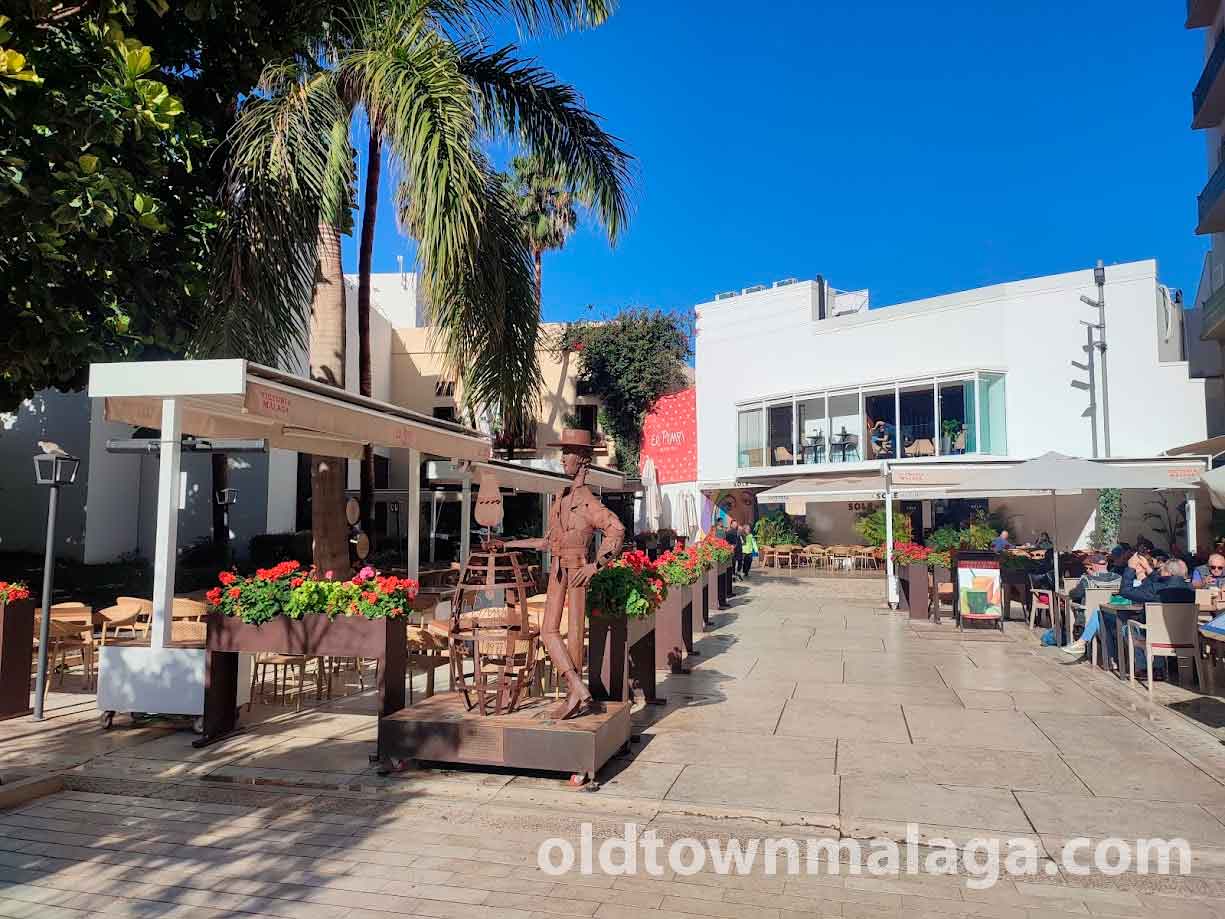
best places to eat in málaga: food guide el pimpi: málaga’s most iconic tavern more than just a restaurant El Pimpi is not just a place to eat; it is the…

Málaga Airport: flights and first steps into the city arriving in Málaga by air: how Málaga Airport really works Welcome to Málaga-Costa del Sol Airport…

where to sleep in Málaga: best areas and stays Choosing where to sleep in Málaga can make the difference between “nice city” and “why did nobody tell me…
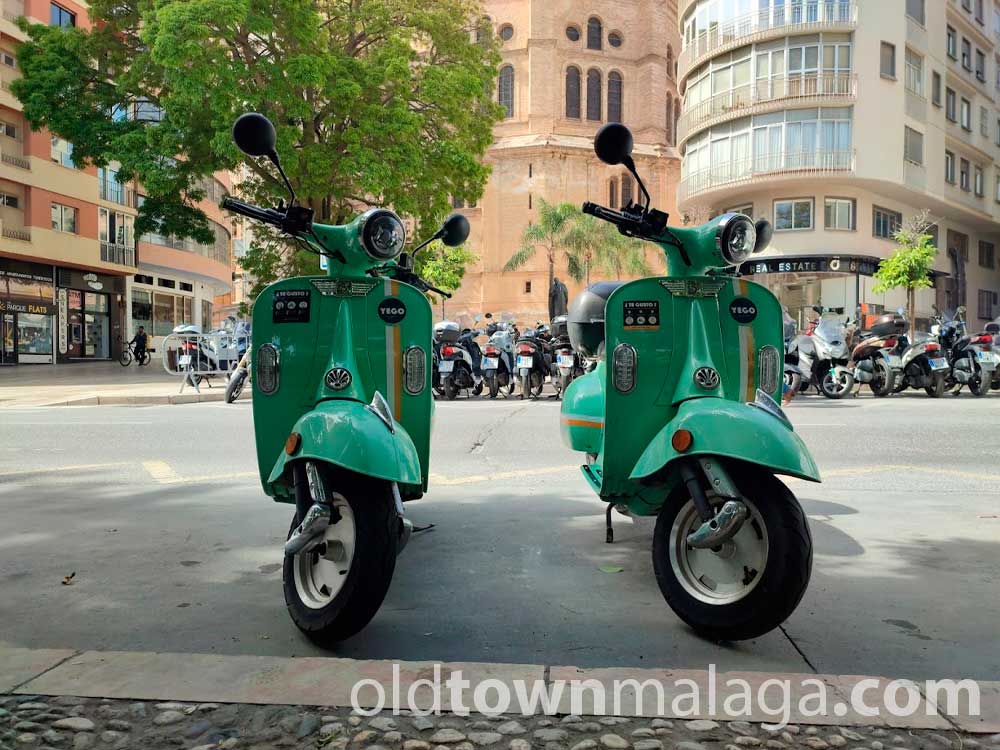
getting around Málaga like a local: the ultimate public transport guide If you are planning a trip to Málaga, you are probably picturing sun, tapas, and…
best places to eat in málaga: food guide el pimpi: málaga’s most iconic tavern more than just a restaurant El Pimpi is not just a place to eat; it is the…

where Málaga’s locals go when they’re hungry and honest In Málaga, there are restaurants for influencers… and then there’s Bar Los Pueblos — the kind of…

Casa Aranda: churros, tradition, and the smell of mornings in Málaga If you wake up in Málaga and you do not end up at Casa Aranda… are you even doing it…

Delicotte Café: where Latin heart meets Chinese soul in the center of Málaga What happens when Latin passion meets Chinese tea wisdom — and they both…

El Pimpi: where Málaga’s soul pours into a glass If Málaga were a person, El Pimpi would be its voice. Warm, loud, charismatic—and always ready with a…

espetos in Málaga: the smoky soul of the Costa del Sol If there is one dish that captures the essence of Málaga in a single bite, it is the espeto.…
what to visit? Málaga museums and more in the old town Málaga’s Old Town, known locally as “El Centro”, is where everything starts. It is compact,…

free tours in Málaga: discover the city with local guides Discover Málaga Centro with free tours guided by passionate locals When you arrive in a city…
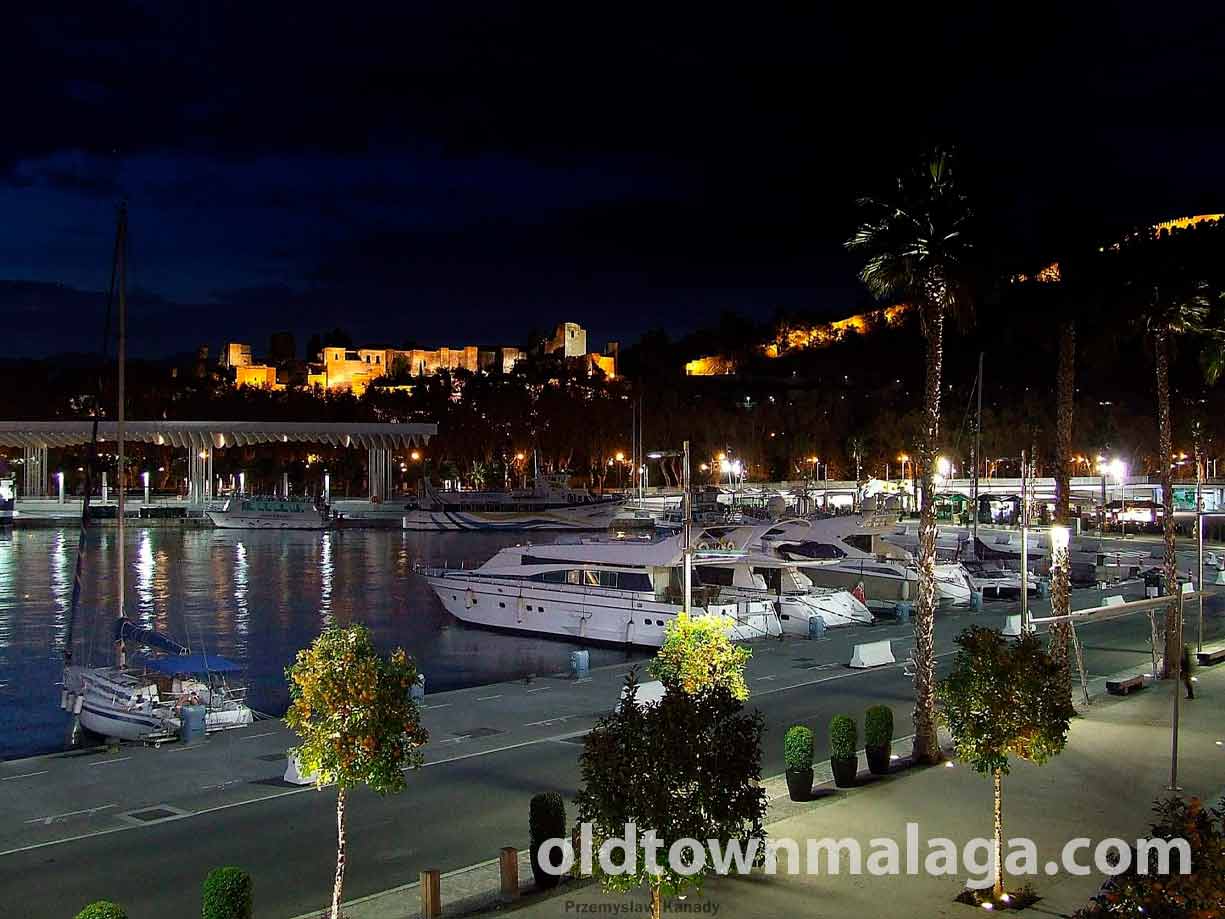
terraces, nightlife and rooftop magic in Málaga When the sun sets, Málaga shines even brighter By day, Málaga is all blue skies, museums and beach walks.…

OXO Museo: Málaga’s ultimate level-up for gamers (and the curious) Whether you’re a joystick veteran or just curious why people shout at blue shells in…
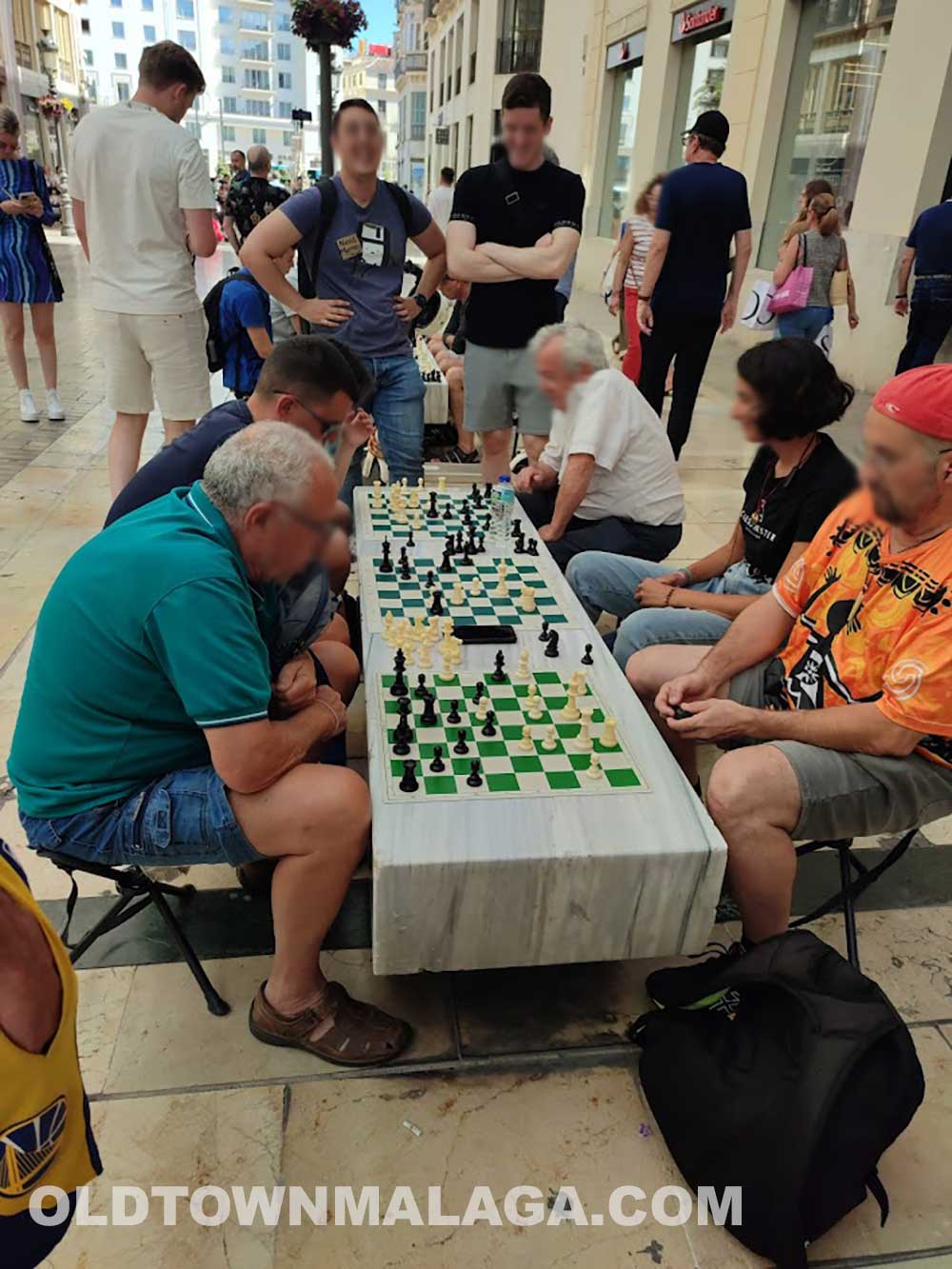
Málaga historic center: questions every visitor wants answered Let’s face it — when you visit the Málaga historic center for the first time, you’ve got…

Street art in Málaga: when the city picks up a spray can and speaks Forget sterile museums. In Málaga, some of the boldest artworks are outdoors —…
a city that never stops surprising Welcome to Málaga, one of the most enjoyable city breaks in southern Europe. Set between the Mediterranean and the…

If Málaga had a time machine, it wouldn’t look like “Back to the Future’s” DeLorean. It would look like a bar. And not just any bar —a wooden counter…

Mercado de Atarazanas: history, flavor, and life in the heart of Málaga In a city full of monuments, museums and beach bars, there is one place where…
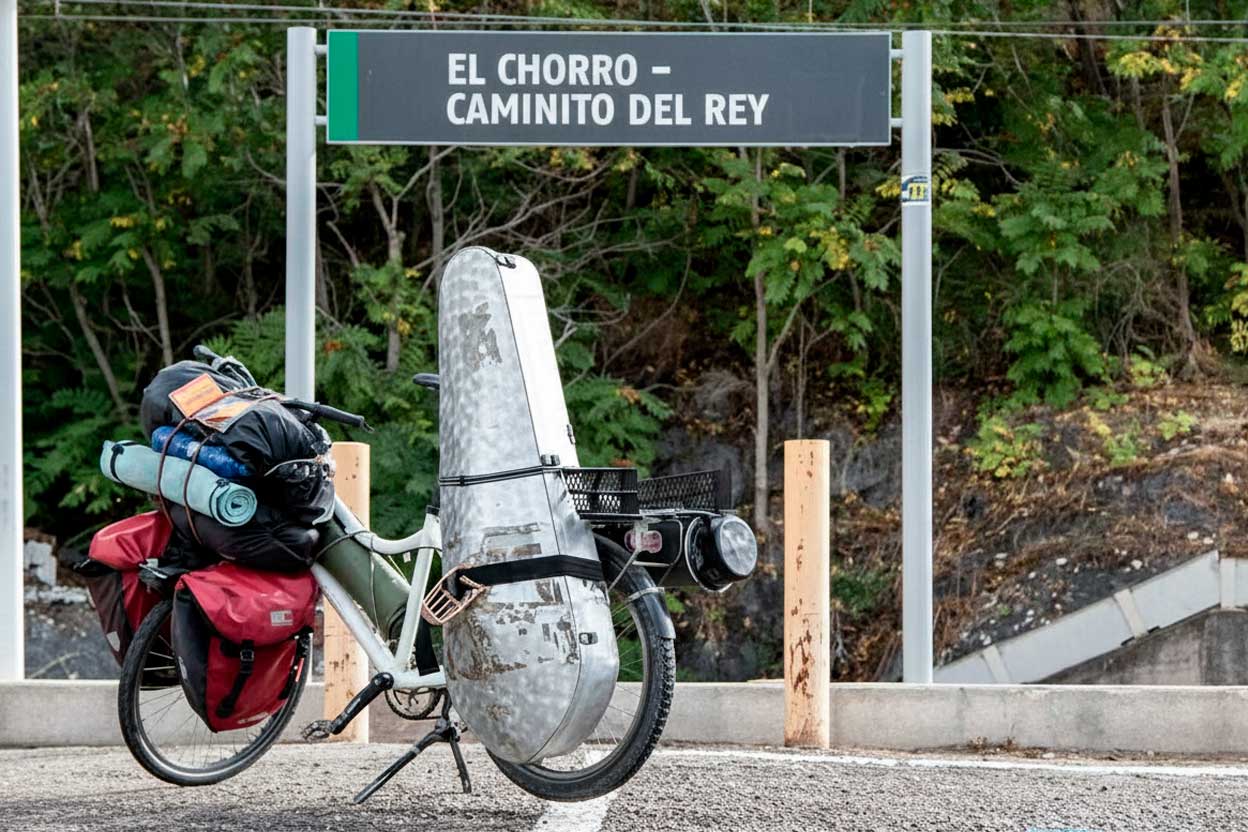
walking on the edge: the Caminito del Rey experience If Málaga keeps whispering “stay one more day”, the Caminito del Rey will make you say “this was…

Quiero un Campero Málaga has given the world many things: sunshine, art, history, and a very particular sense of timing when it comes to food. Hunger…
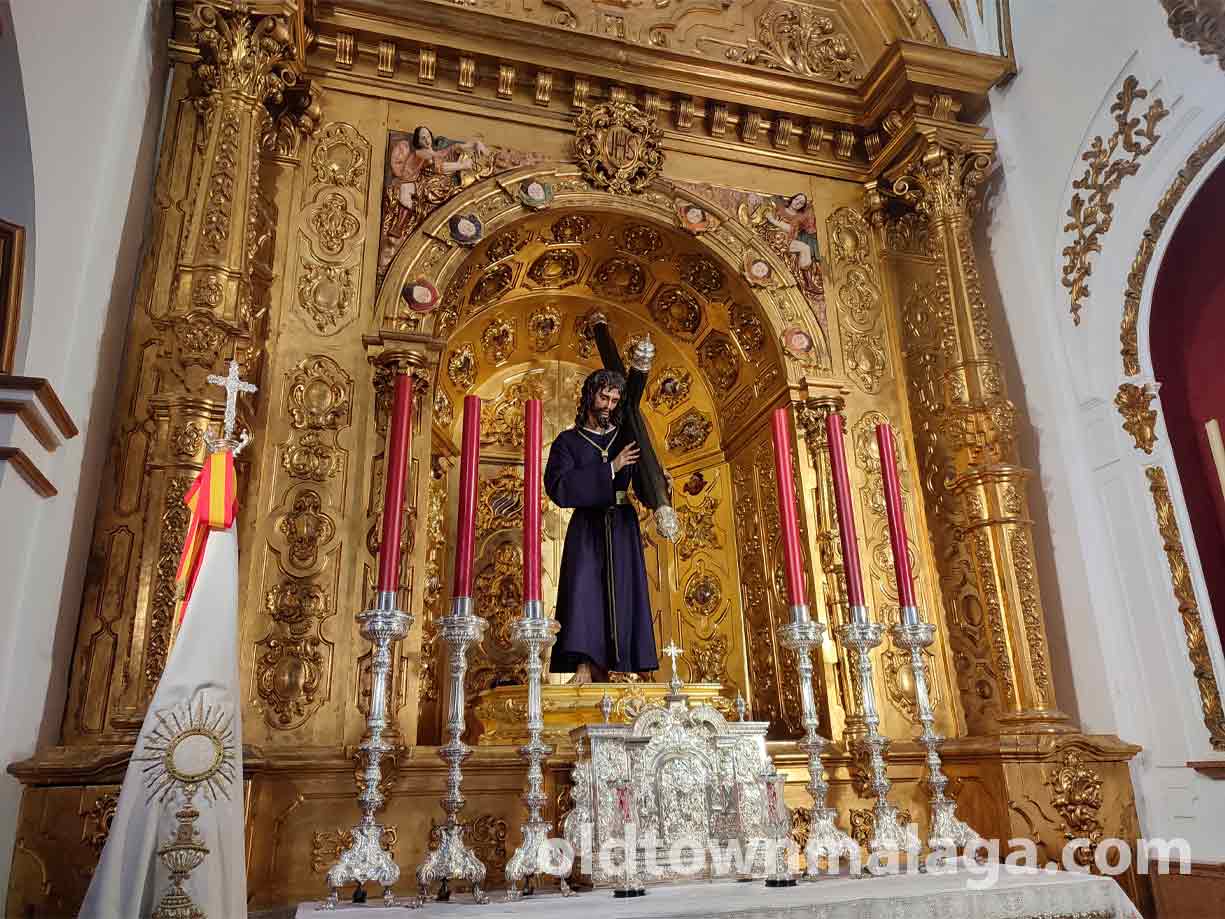
Iglesia de los Santos Mártires: Málaga's hidden masterpiece of faith and history In the busy heart of Málaga's old town stands a church that rarely…
Málaga Airport: flights and first steps into the city arriving in Málaga by air: how Málaga Airport really works Welcome to Málaga-Costa del Sol Airport…
where to sleep in Málaga: best areas and stays Choosing where to sleep in Málaga can make the difference between “nice city” and “why did nobody tell me…
what to visit? Málaga museums and more in the old town Málaga’s Old Town, known locally as “El Centro”, is where everything starts. It is compact,…
a city that never stops surprising Welcome to Málaga, one of the most enjoyable city breaks in southern Europe. Set between the Mediterranean and the…
best places to eat in málaga: food guide el pimpi: málaga’s most iconic tavern more than just a restaurant El Pimpi is not just a place to eat; it is the…
Málaga Airport: flights and first steps into the city arriving in Málaga by air: how Málaga Airport really works Welcome to Málaga-Costa del Sol Airport…
where to sleep in Málaga: best areas and stays Choosing where to sleep in Málaga can make the difference between “nice city” and “why did nobody tell me…
getting around Málaga like a local: the ultimate public transport guide If you are planning a trip to Málaga, you are probably picturing sun, tapas, and…
free tours in Málaga: discover the city with local guides Discover Málaga Centro with free tours guided by passionate locals When you arrive in a city…
terraces, nightlife and rooftop magic in Málaga When the sun sets, Málaga shines even brighter By day, Málaga is all blue skies, museums and beach walks.…
OXO Museo: Málaga’s ultimate level-up for gamers (and the curious) Whether you’re a joystick veteran or just curious why people shout at blue shells in…
Málaga historic center: questions every visitor wants answered Let’s face it — when you visit the Málaga historic center for the first time, you’ve got…
Street art in Málaga: when the city picks up a spray can and speaks Forget sterile museums. In Málaga, some of the boldest artworks are outdoors —…
If Málaga had a time machine, it wouldn’t look like “Back to the Future’s” DeLorean. It would look like a bar. And not just any bar —a wooden counter…
Mercado de Atarazanas: history, flavor, and life in the heart of Málaga In a city full of monuments, museums and beach bars, there is one place where…
walking on the edge: the Caminito del Rey experience If Málaga keeps whispering “stay one more day”, the Caminito del Rey will make you say “this was…
Quiero un Campero Málaga has given the world many things: sunshine, art, history, and a very particular sense of timing when it comes to food. Hunger…
Iglesia de los Santos Mártires: Málaga's hidden masterpiece of faith and history In the busy heart of Málaga's old town stands a church that rarely…

A lively guide to the Feria de Torremolinos: tradition, music, fairground energy and useful visitor tips.
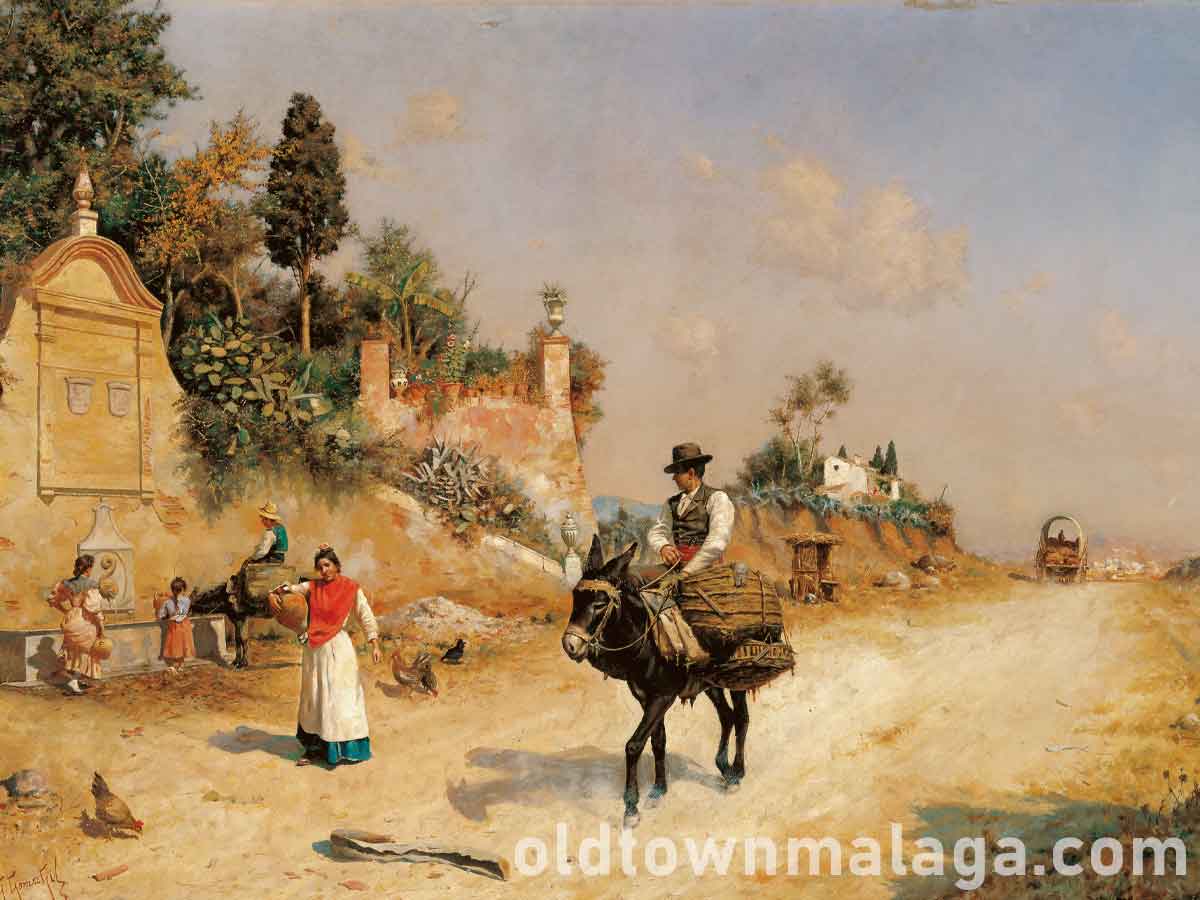
discover secret spots beyond the guidebook Málaga’s famous attractions are beloved for a reason, but some of the city’s most memorable experiences are…
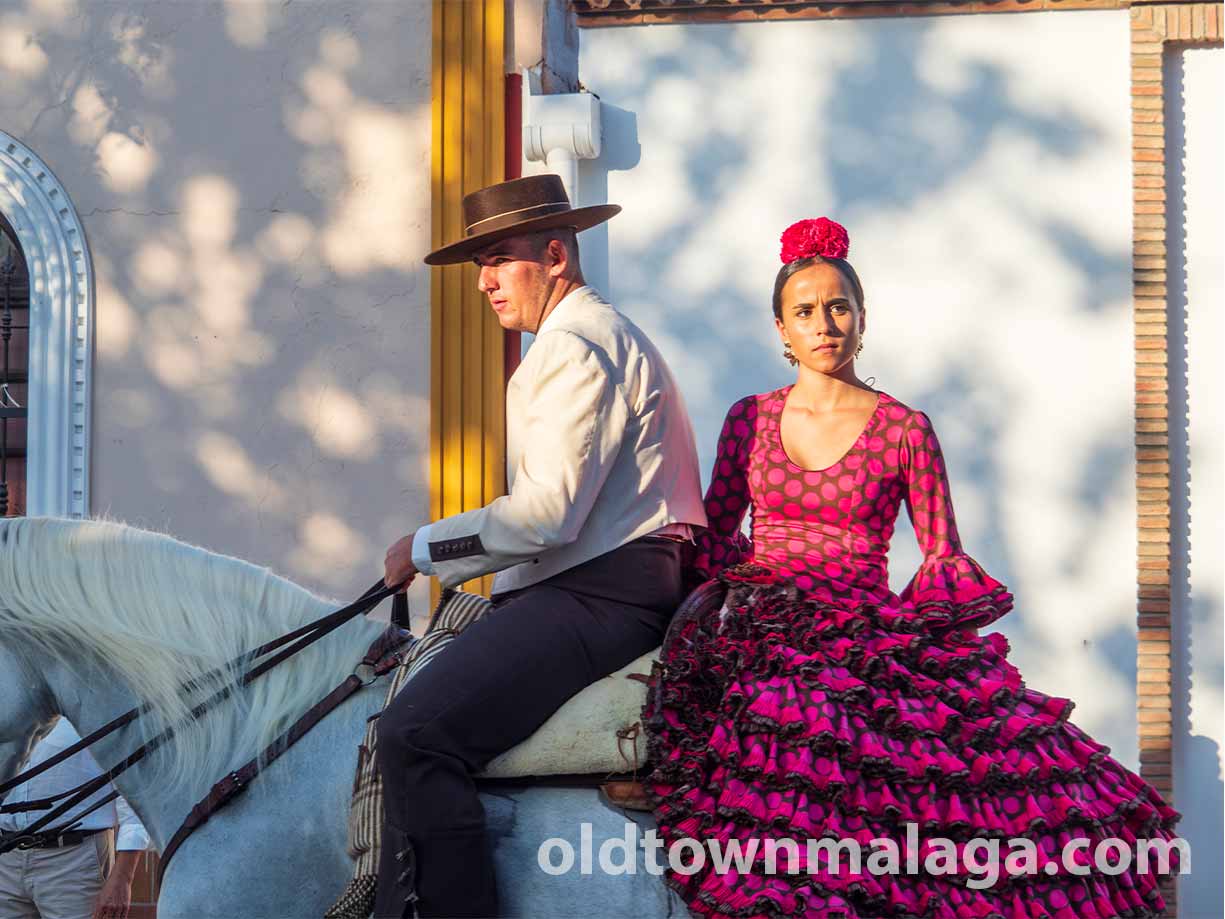
A practical evergreen guide to the Malaga Fair: daytime centre, night fairground, music, food, transport and survival tips.

A clear English sightseeing guide to Málaga's landmarks, museums, market, port, beaches and walkable historic centre.

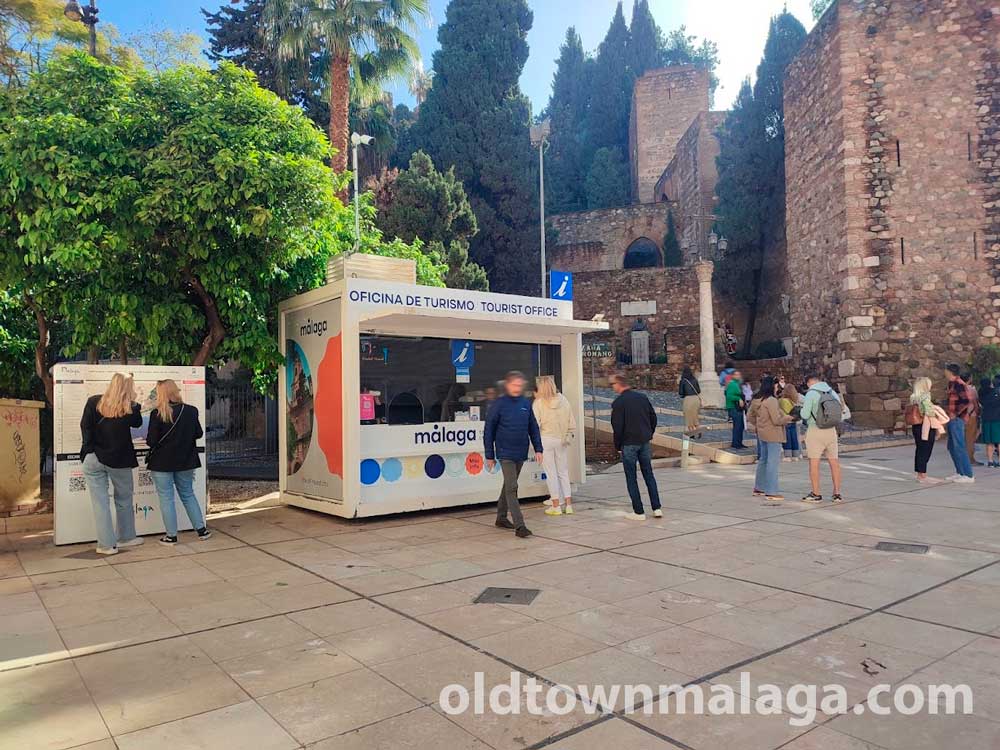
why you should care about Málaga’s tourism offices (even in the age of Google Maps) Let’s face it: nobody flies to Málaga dreaming about lining up at an…

family Adventures in Málaga: The Ultimate for Parents If there’s one thing Málaga has mastered over the centuries, it’s the art of making everyone feel…
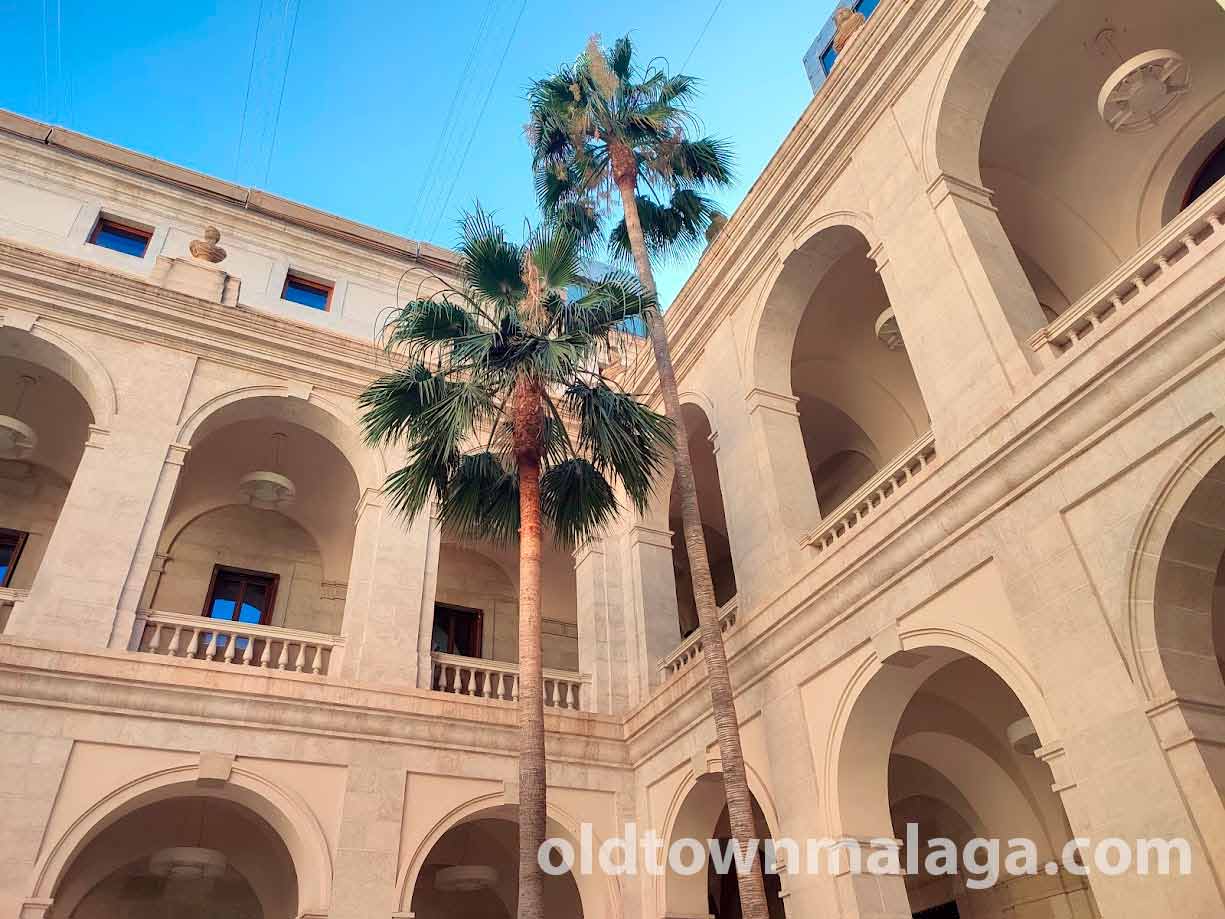
Museo de Málaga: where art, archaeology, and Andalusian history converge In the heart of Málaga, surrounded by palms and sea breeze, stands one of the…
explore where to stay in málaga based on travel style Choosing where to stay in Málaga can elevate your experience from ordinary to unforgettable. This…

Pedregalejo promenade finally gets its glow-up If there’s one thing Malagueños know by heart, it’s that when the city promises a obra, patience is part…

If you are in Málaga and your plans include words like Caminito del Rey, El Torcal, Marbella, or white villages that look like they were designed by…

An evergreen guide to Semana Santa in Malaga: processions, traditions, routes, respectful etiquette and practical planning tips.
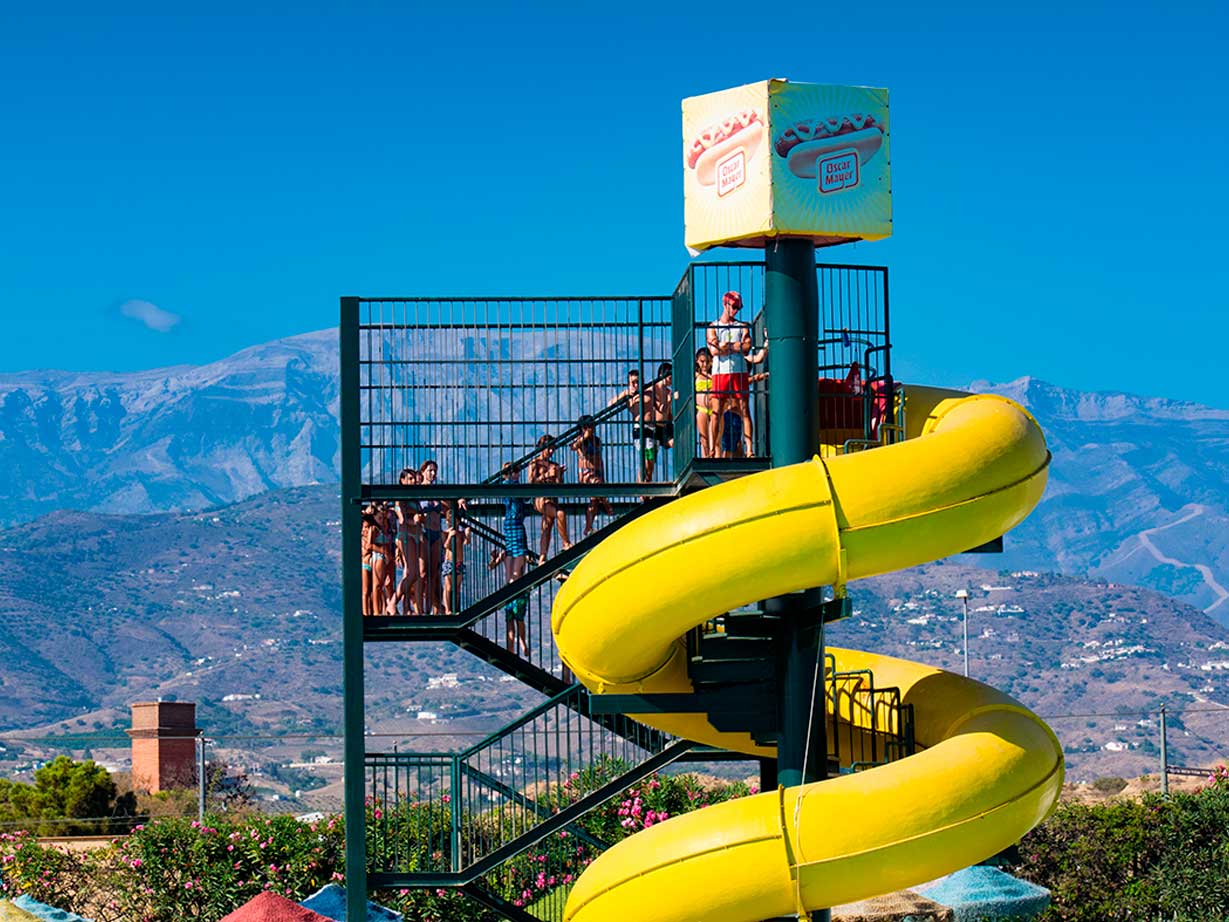
the ultimate family adventure guide Málaga used to be a stopover. A gateway to the Costa del Sol. A weekend city break. A place for beaches and tapas.…

What to see in Málaga, from the Alcazaba and Roman Theatre to museums, food, beaches and smart first-time sightseeing routes.
where Málaga’s locals go when they’re hungry and honest In Málaga, there are restaurants for influencers… and then there’s Bar Los Pueblos — the kind of…
Casa Aranda: churros, tradition, and the smell of mornings in Málaga If you wake up in Málaga and you do not end up at Casa Aranda… are you even doing it…
Delicotte Café: where Latin heart meets Chinese soul in the center of Málaga What happens when Latin passion meets Chinese tea wisdom — and they both…
El Pimpi: where Málaga’s soul pours into a glass If Málaga were a person, El Pimpi would be its voice. Warm, loud, charismatic—and always ready with a…
espetos in Málaga: the smoky soul of the Costa del Sol If there is one dish that captures the essence of Málaga in a single bite, it is the espeto.…
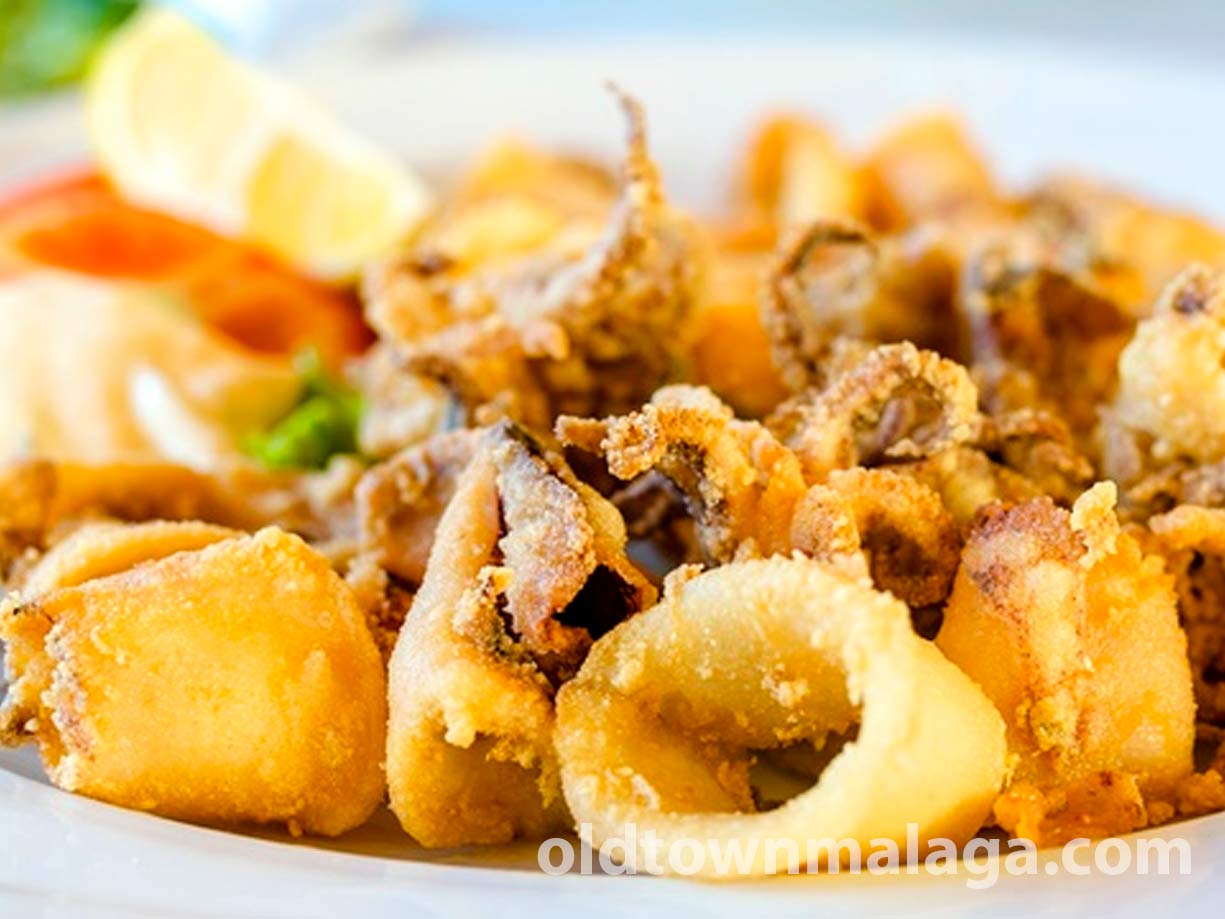
a foodie’s guide to Málaga: 12 dishes you need to try (before someone else finishes them) Málaga isn’t just beaches, sunshine and Picasso. It’s also one…

La Recova: where Málaga eats, decorates, and smiles Hidden in a narrow passage near the Church of San Juan, La Recova is a true local secret. You might…
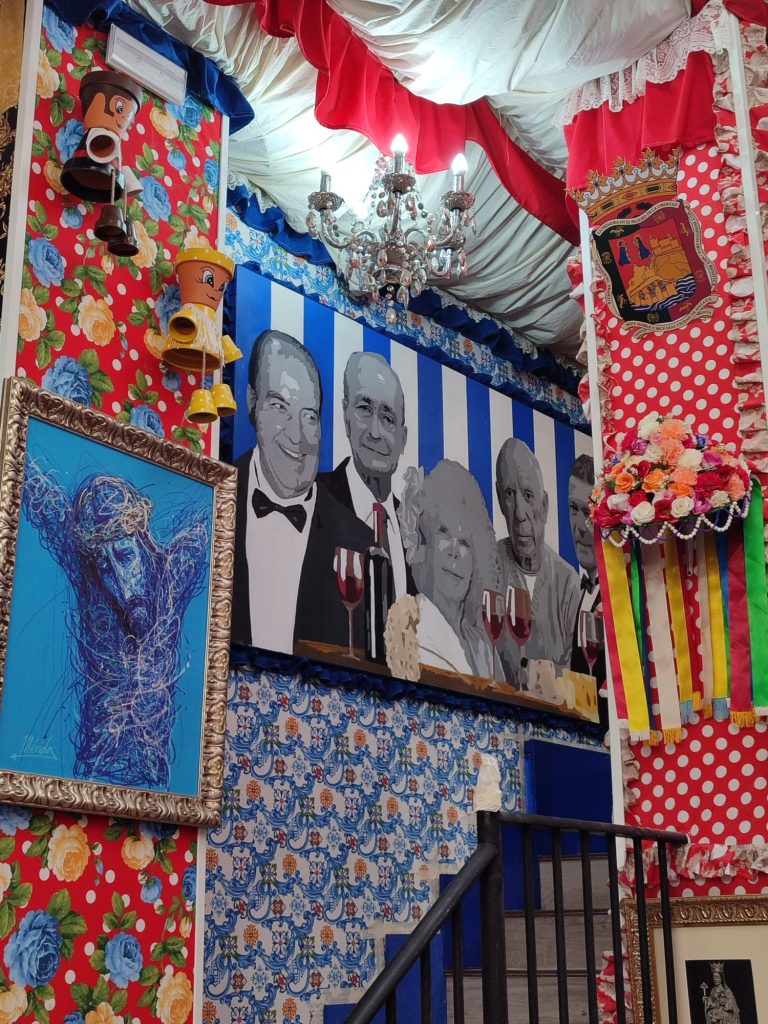
La Sal y El Son: a slice of feria in the heart of Málaga – year-round Imagine a feria booth—full of colour, music and Andalusian warmth—open every day of…
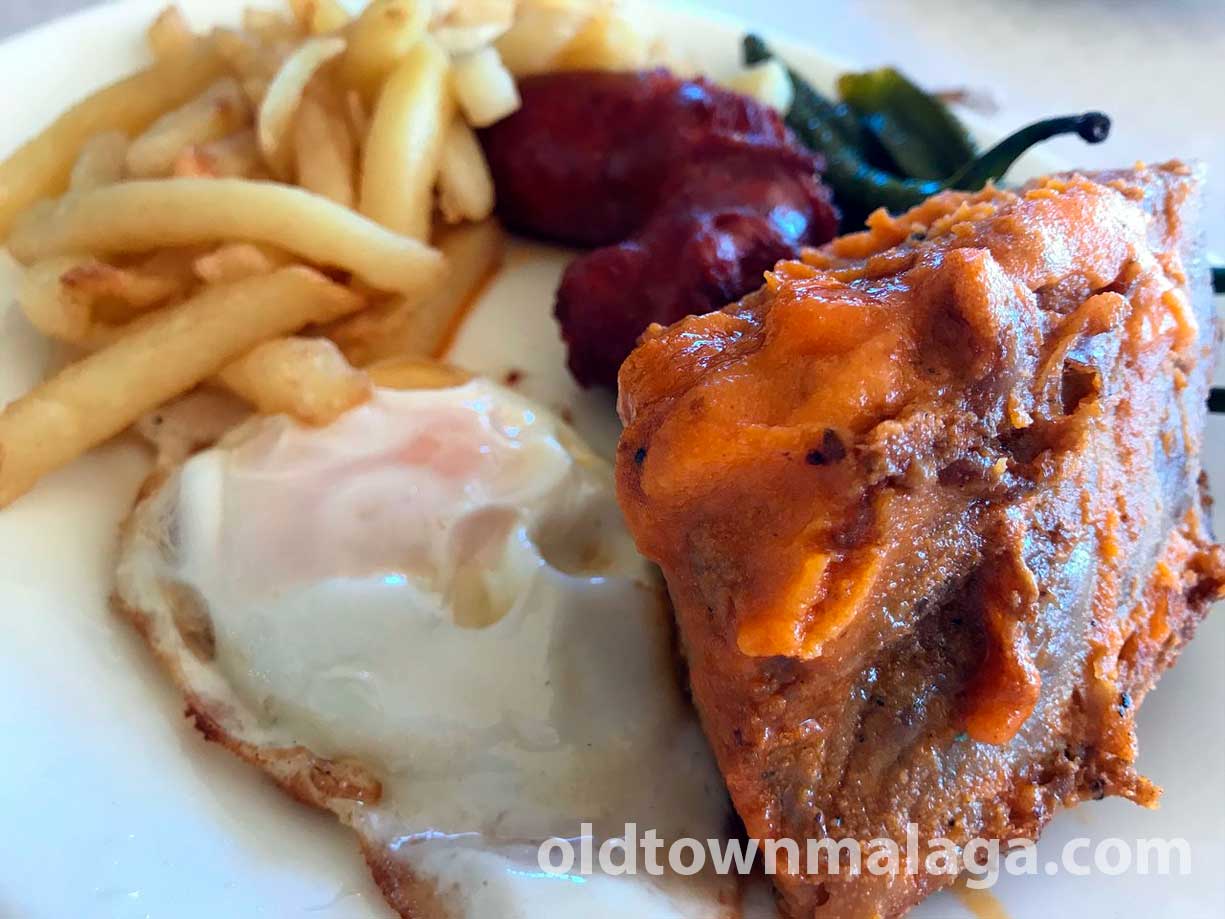
Where to eat in Málaga: 10 places that taste like tradition (and a little bit of heaven) Málaga is more than a beautiful city—it’s a feast. And not the…

If you're in Málaga and craving sushi, you're not alone. This coastal city isn’t just about espetos and pescaito frito—there’s a wave of sushi spots…
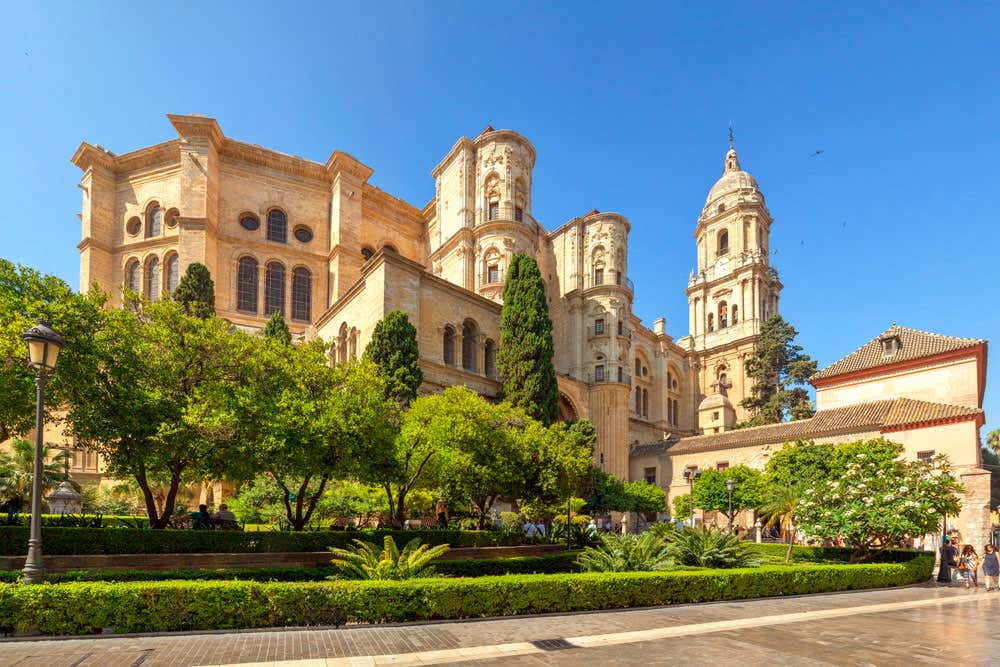
a city that blends history, flavor, and fun—365 days a year Málaga isn’t just a pretty beach destination. It’s a living postcard where Roman theaters…

a guide to the best nightclubs and party spots So, you’ve explored the Alcazaba, eaten your way through pescaito frito, and watched the sun dip below the…
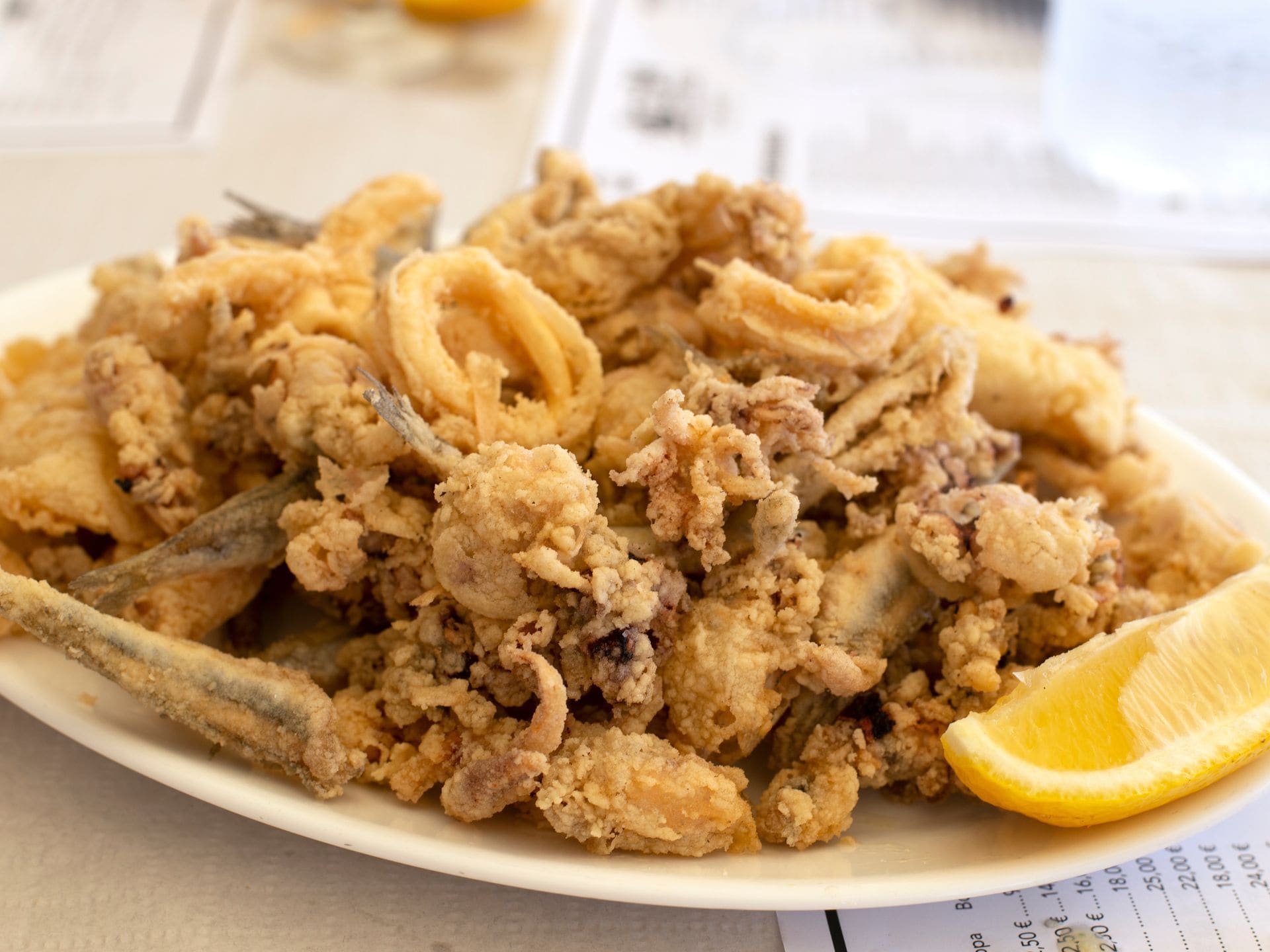
Golden, crunchy, and kissed by the Mediterranean sun — that’s how locals describe pescaito frito, one of Andalusia’s most beloved culinary traditions. In…
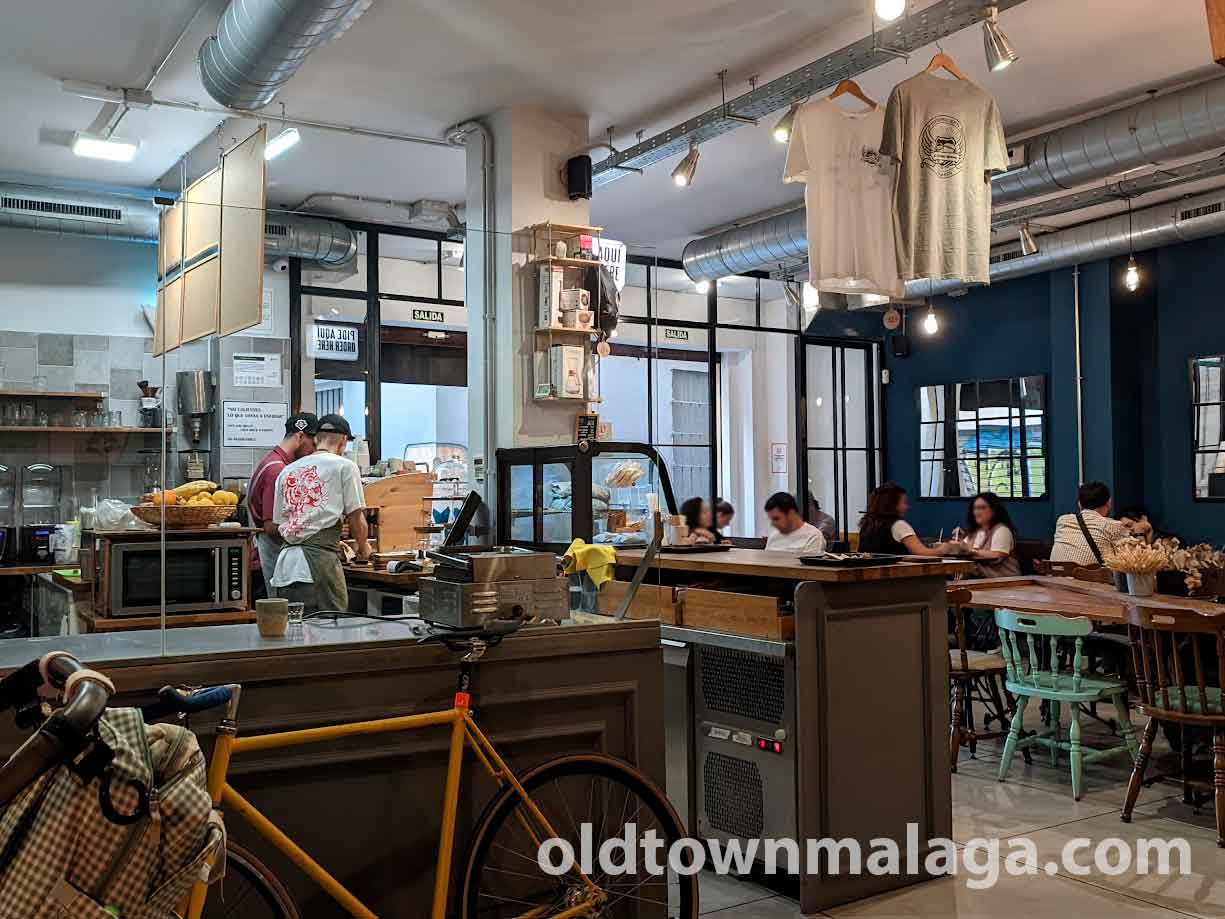
best cafeterías in Málaga coffee culture in Málaga: history in a cup welcome, coffee lover Málaga is not just beaches, museums and tapas. It is also one…

A smart visitor guide to Comic-Con style events in Malaga: tickets, crowds, transport, cosplay, food breaks and city plans.
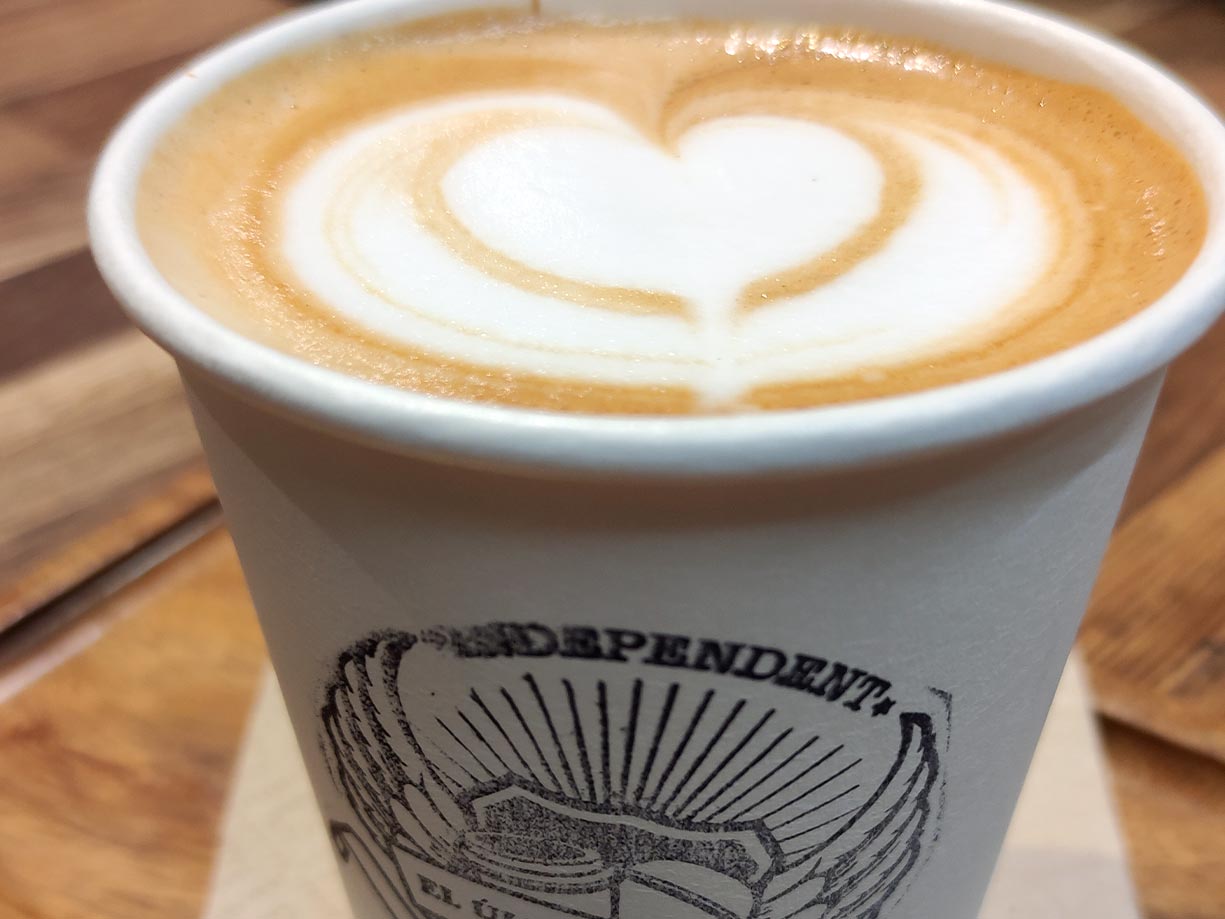
A short farewell to El Ultimo Mono, the now-closed Malaga cafe that locals and travellers still remember with enormous affection.
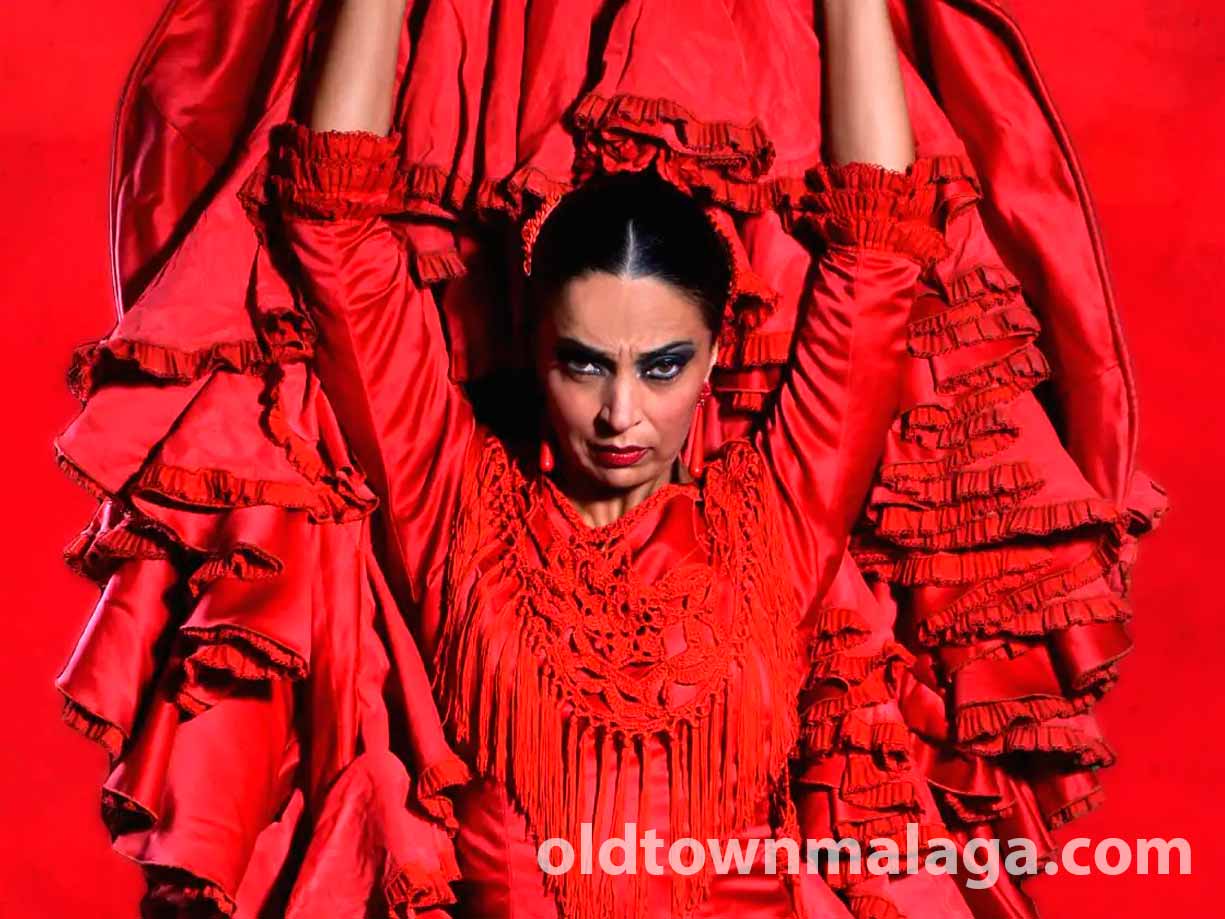
where to see flamenco in Málaga: authentic shows in the city centre If you are visiting Málaga and wondering where to see a real flamenco show, you are…
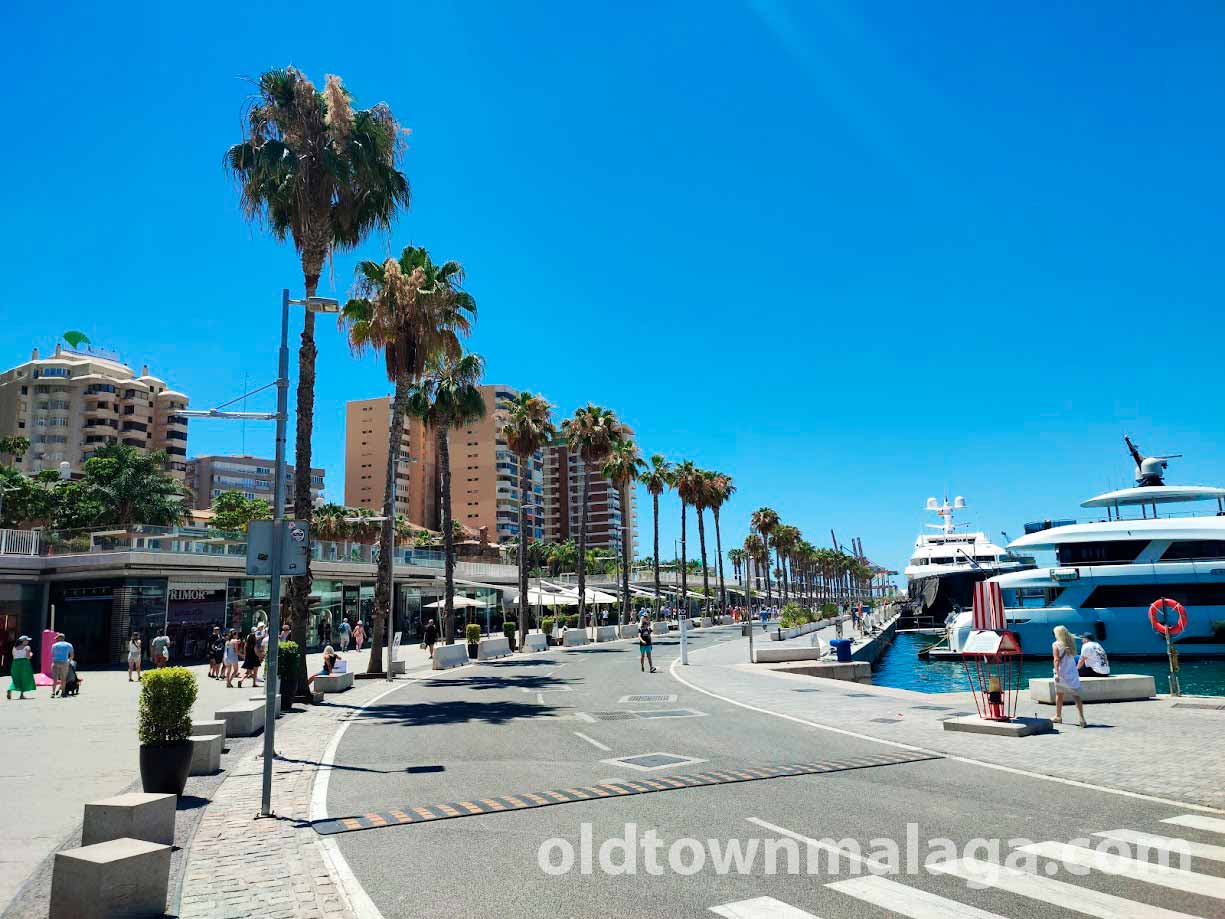
Muelle Uno: where Málaga meets the Mediterranean Looking for a place in Málaga where locals relax, visitors explore, and the sea keeps on sparkling? That…

A practical evergreen guide to poker events in Malaga, with travel tips, nightlife ideas and smart ways to enjoy the city between hands.