Málaga: A Comprehensive Guide
Discover Málaga like never before — its history, cuisine, art, and hidden gems. A true insider’s guide to Southern Spain’s most charming city.
Buy on Amazon× malaga historic center: questions every visitor wants answered
Let’s face it — when you visit the Malaga historic center for the first time, you’ve got questions. And while Google does its best, sometimes you just want answers from someone who’s been there, smelled the churros, and dodged a few scooters on Calle Larios.
This is your straightforward, experience-based guide to everything you actually need to know before exploring Malaga’s historic core. No fluff, no clichés — just what works.
× what makes Malaga’s historic center so unique?
Short answer: it’s a living postcard.
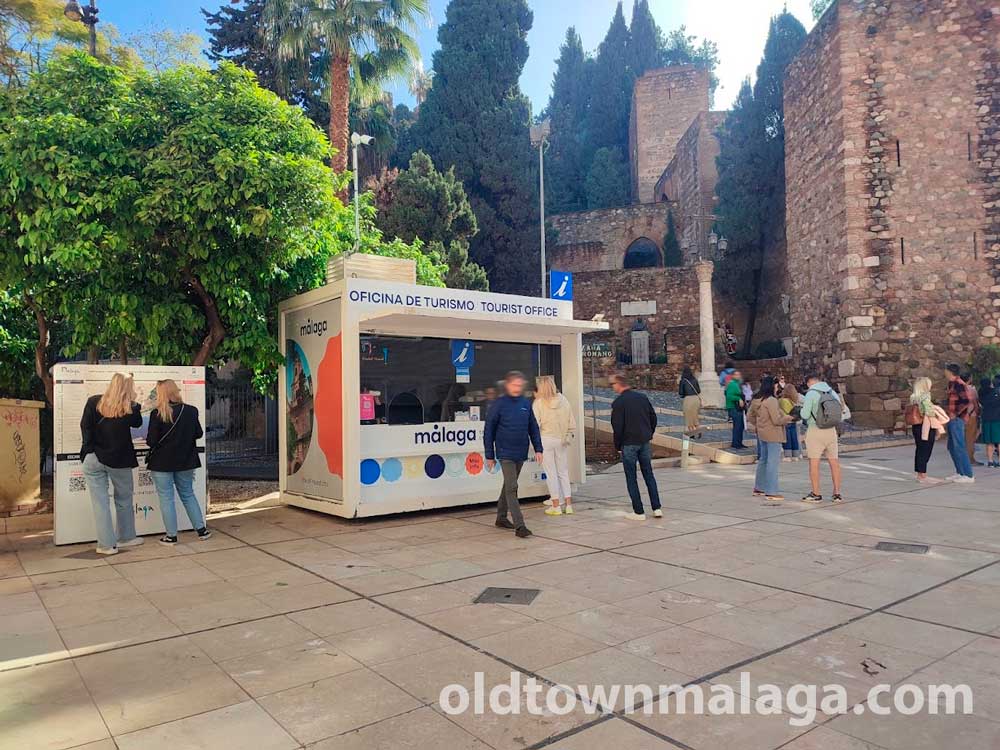
Roman ruins, Moorish fortresses, baroque churches and street art — all within ten minutes on foot. The historic center doesn’t separate past and present; it blends them perfectly. You can admire a 10th-century wall while sipping espresso beside a modern gallery.

× how should I explore the historic center?
On foot — always. The streets are mostly pedestrian, flat, and safe. Start at Calle Larios and let curiosity guide you. Get lost on purpose; that’s part of the charm.
If you enjoy context and anecdotes, take a guided walking tour. You’ll learn how this area survived earthquakes, invasions, and 2,800 years of history — all while staying gorgeous.

× key landmarks worth your time
- La Manquita — the city’s famously unfinished cathedral.
- The Roman Theatre — a 1st-century amphitheatre resting below the Alcazaba.
- Picasso Museum — dedicated to Málaga’s most famous artist, housed in a 16th-century palace.
- Palacio Episcopal — baroque beauty hiding a quiet courtyard worth a pause.

× when to visit for the best experience
The sweet spots are March–May and September–November. You’ll get warm days, cool evenings, and enough space to enjoy the streets without crowds.
In July and August, the beauty remains — but so does the heat. Bring water, sunscreen, and the art of walking in the shade.

× getting around efficiently
- Walk — everything important is within 1 km radius.
- Bike or e-scooter rentals are common, especially along the port and park area.
- Bus and metro reach beaches and outer districts easily.
- Cars? Leave them behind — parking is scarce and expensive.

× where locals actually eat
Skip the tourist traps calling you in with laminated menus. Follow the smell instead. Look for bars filled with locals, no music, and plenty of chatter. That’s where real flavor lives.
- Espetos — sardines grilled on the beach, smoky and simple.
- Ajoblanco — chilled almond soup from Moorish times.
- Ensaladilla rusa and berenjenas con miel — the kind of tapas that make you slow down.
× hidden corners worth finding
- Pasaje Chinitas — once home to poets and bullfighters, now cafés and charm.
- La Terraza de la Alcazaba — rooftop views that explain why people never leave.
- Lagunillas — raw, artistic, authentic Málaga beyond the postcards.

× festivals that take over the streets
The historic center becomes pure energy during Semana Santa and Feria de Málaga. Two completely different worlds — one solemn, one euphoric — both unforgettable.
If you can, visit during both. You’ll understand the city’s heartbeat — half faith, half fiesta.
× essential tips before you go
- Go early for cooler streets and soft light for photos.
- Wear good shoes — cobblestones win every battle.
- Stay curious. Every doorway hides a story or a courtyard.
- Slow down — Malaga rewards those who wander, not those who rush.
The historic center isn’t just a destination; it’s a rhythm. Once you fall into its pace, you’ll see why visitors keep coming back — and why locals never really leave.